Why Your Next Customer Support Chat Might Actually Be Useful- The Shift Toward Smarter AI Customer Service Systems
That Frustrating “Sorry, I Don’t Understand” Loop
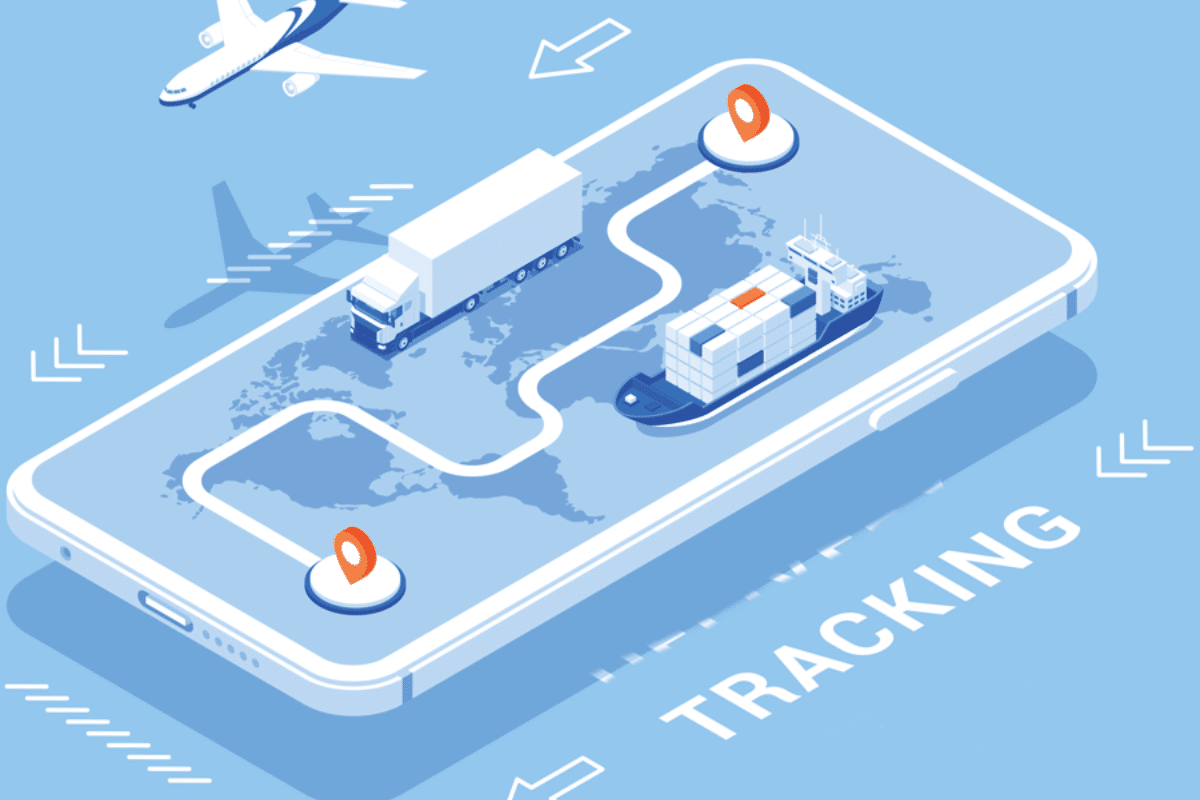
Many of us are familiar with situations where a courier service has delayed delivery of an item for several days. Even though Port Klang, or where an electronic wallet transaction has been declined at a local mamak stall. In order to resolve these issues quickly through “Live Chat,” customers must speak to a product-based chatbot that was built five years ago. You enter “Where is my parcel?” in the text box. Chatbot provides two options for being able to enter a tracking number (“Check order status” or “Change Address”). After you select “Check order status,” the chatbot resubmits the request to you for your tracking number. Then despite the fact that you are already logged into your account.
Chatting with a wall, isn’t it? In Malaysia and Southeast Asia, our style of communication is dictated by how we use slang, how we mix different languages, and how we rarely greet each other formally with “Dear Sir/Madam.” As a result, most traditional automated ticketing systems have been ineffective in helping us. Because they were developed on hardcoded “If-Then” rules. Thus, if you did not use the exact keyword that the programmer of the chatbot was expecting, the bot would not be able to fulfil your request. Other than that, the Chatbot would no longer be able to assist you.
However, things are starting to change. You may have noticed that there are now many bots that seem to understand what you mean. Even though users use a mixture of languages. This is the result of significant upgrades to the back-end systems of artificial-intelligence-driven customer service consoles. We are no longer limited to pre-developed scripts. But now using systems that can “think” and “predict” in a manner that is more reflective of the actual speech patterns of humans.
How Machines Started Picking Up Our Vibe
At the core of this transition is the technology known as natural language processing (NLP). Whereas previously, a bot was analogous to a lexical reference book. The contemporary AI-based chatbot resembles a “millennial” who learned how to communicate. Through the Internet, and therefore understands contextual, existential, and mood-oriented elements.



For example: if you were upset due to a flight delay, rather than merely linking you to the terms & conditions website. 21st-century system could use sentiment analysis to evaluate whether you were exhibiting “frustration”. Through your typing speed and/or word selection and would either escalate your case to a human supervisor or provide you with a voucher as a means of immediate compensation. This is not “answering questions” but an immediate improvement of customer experience.
In Asia; where there are many dialects and extensive usage of “lah,” “leh,” and “ah”. These systems are a game changer. All of these virtual assistants have been trained on regionally-specific data sets. And now capable of understanding that when someone from Malaysia asks the question “Can or not?”. They really are asking for confirmation of potentiality, as opposed to simply a yes/no response. It is this knowledge of nuance that distinguishes an inconvenient robot from a valuable digital co-worker.



Context is King in Asian Support
The real value of modern AI customer service systems isn’t just speed—it’s NLP capability. Systems that can distinguish between “I’m okay” (satisfied) and “Okay, whatever” (unhappy) reduce churn by identifying at-risk customers before they walk away.
Behind the Scenes: The Invisible Workhorse
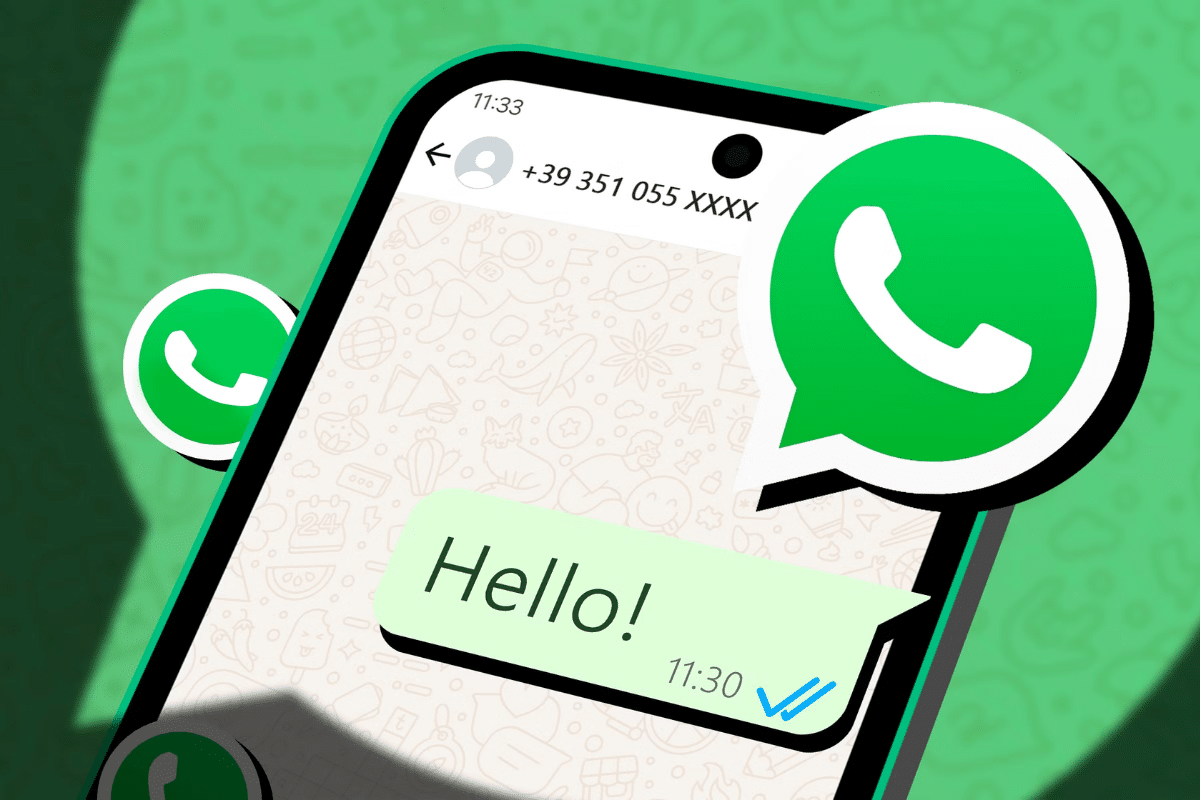
The use of customer query prediction is exemplified by an AI-based system. Where once a customer sees a notification of a delayed delivery and accesses the application. They can be greeted with: “Hello, your delivery is late. Would you like an updated ETA?” rather than needing to input “Where is my package?” This creates an experience of the brand caring for the customer, rather than simply treating them as a ticket in a queue and represents a significant part of how machine learning is used for optimizing service. These systems analyze millions of previous requests to determine how the request was phrased, what the request was for and what type of resolution was provided. It also creates guidelines to provide the most efficient route to a “Thank You” from the customer.
In addition, there is also a large emphasis in business towards the integration of multi-channel support. When customers use a combination of WhatsApp, Facebook Messenger or the business’ official website to reach out for assistance. The AI remembers that customer’s previous interactions. As such, customers do not need to explain the same issue three times to three different people or bots. For most customers, this is highly desirable as they are often busy, and do not want to waste upwards of 20 minutes repeating their customer ID and their order number.
Why AI Customer Service Systems Still Need a Human Touch
Many people believe that the emerging capabilities of AI will replace many of the roles previously performed by a CS agent and their effectiveness in providing assistance to consumers through technology. Most of the largest brands use AI to do the mundane and routine daily tasks. For example, if 80% of the phone calls to a brand consist of general inquiries about store hours or how to reset their password, then using a CS agent to answer these types of questions is a misdirection of that agent’s skills and abilities. By using self-serve tools, companies can answer routine, basic inquiries quickly and efficiently via AI and ensure CS is able to provide assistance with complex, emotional, and high-level decision-making inquiries that require true compassion.
When brands find this balance, AI response rates and efficiencies dramatically improve. Consumers are satisfied because they receive a response to a simple inquiry within two seconds of making their call, and CS agents are happy because they only handle each simple question once every 500 days, rather than once every 500 calls when they are answering basic questions for consumers. It’s a much more effective use of capacity for both AI and CS.



Making Sense of the Data Over Coffee

Most of the time, people believe that AI customer service solutions are only available for the largest businesses in existence (e.g., Grab, Shopee). However, modern customer interaction analytics have lowered that barrier for small businesses to accessing these solutions. They have been able to gain analytics insight into their customers, which were previously unavailable to them. With these solutions, businesses have the ability to know exactly where their customers have become confused on their website and what products are causing them to submit the most complaints, without having to spend hours reading through lots of chat logs, etc.
The goal of the conversations held through the customer service solution is to provide the customer with a representative who is available 24/7. So if the customer experiences a midnight crisis about their order, they won’t be left empty-handed until the following day at 9:00 AM. As more of these solutions become available to small- and medium-sized businesses, we are beginning to see a transformation. Whereby the “minimum” level of customer service offered is going to begin to change. “Good” customer service will soon become a standard. The best AI is the AI that you don’t even recognise as being AI. It is just an AI that works. Much like a good waiter at a good restaurant would refill your water before you recognize /find out that it ever happened. That is the direction that we will be moving to.