


ASEAN Content Export Localization has become one of the most frequently discussed topics among content companies eyeing Southeast Asia. But a common misconception persists: that localization simply means translation.
- Q: Content companies expanding into ASEAN often start by translating their content into local languages. Why is that not enough?
- Q: If translation is not the core challenge, what is?
- Q: Beyond language and culture, what is the third barrier companies tend to overlook?
- Q: Why can ASEAN content export not succeed through translation alone?
- In Summary
We sat down to unpack why that assumption falls short, and what actually determines whether content succeeds in this region.
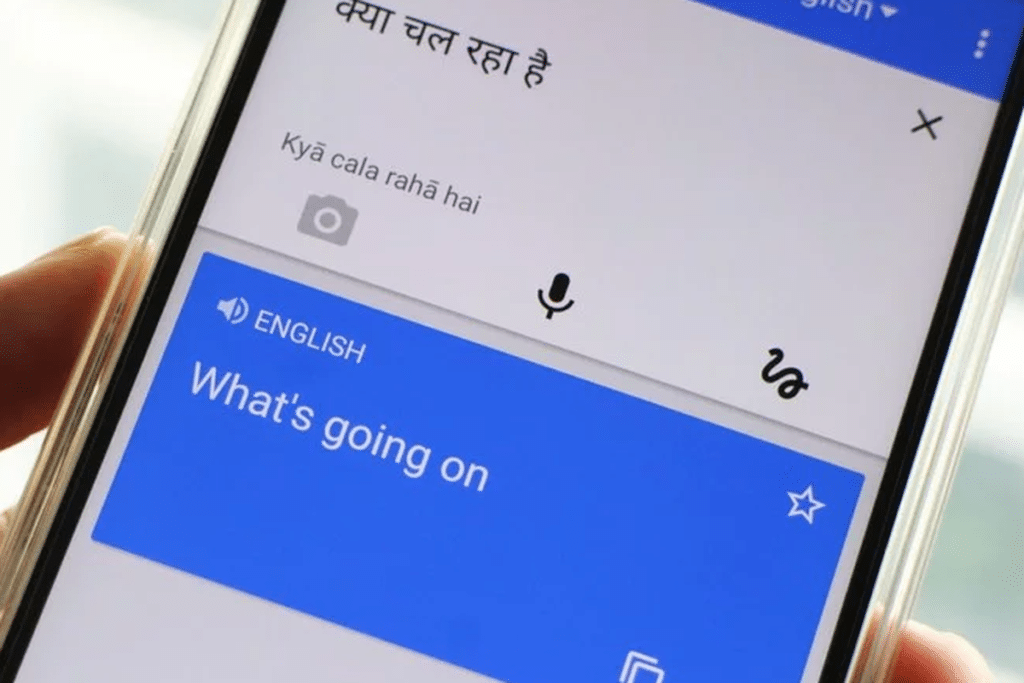
Q: Content companies expanding into ASEAN often start by translating their content into local languages. Why is that not enough?
Translation solves the problem of comprehension. It makes content readable or watchable in a new language. But it does not solve the problem of connection.
A story that resonates in its original context can fall flat, or even feel out of place, once translated word-for-word into another language. This happens because the emotional logic, humor, and social cues embedded in the original often do not carry over cleanly.



If confirmed through interview, Dr Kervis may emphasize that language is only the entry ticket into a new market. It is not what determines whether audiences actually stay.

Q: If translation is not the core challenge, what is?
Cultural context is the real challenge. ASEAN is not a single, uniform market. It is a region spanning multiple countries, languages, religions, and social norms, all of which shape how audiences interpret content.


A pacing style that works well in one market might feel rushed or emotionally hollow in another. A relationship dynamic considered normal in one culture might read as inappropriate elsewhere.
If confirmed through interview, Dr Kervis may emphasize that understanding this cultural layer requires genuine, sustained engagement with local audiences. It is not a checklist that can be applied uniformly across the region.
Q: Beyond language and culture, what is the third barrier companies tend to overlook?
Distribution channels are often overlooked. Even if content clears both the language and cultural barriers, it still needs to reach audiences through the right platforms.
Media consumption habits, platform preferences, and regulatory environments vary significantly across ASEAN countries. A distribution strategy that works well in one market can fail entirely in another if applied without adjustment.
Related News

If confirmed through interview, Dr Kervis may emphasize that content strategy should account for distribution from the earliest planning stages, not as an afterthought once the content itself is finished.

Q: Why can ASEAN content export not succeed through translation alone?
Because translation only answers one question: can the audience understand this?
It does not answer the more important questions: does this content feel authentic to them, and will they actually encounter it in the first place?
If confirmed through interview, Dr Kervis may emphasize that true localization requires companies to work through all three layers together: language, cultural context, and distribution. Translation cannot substitute for the deeper work involved.
In Summary
These questions point to a broader truth about content export into ASEAN: language is where the process starts, not where it ends.
Companies that treat translation as sufficient are likely to encounter the same pattern: content that is technically accessible, but never truly connects.
Getting ASEAN Content Export Localization right means treating language, culture, and distribution as three interdependent challenges, not three separate boxes to check.