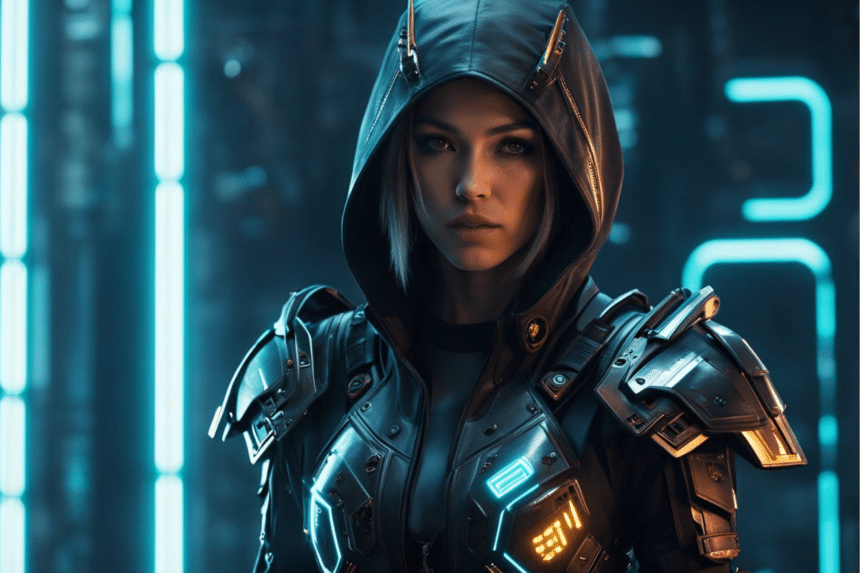
Why Do NPCs Feel So Real Lately? A Casual Dive into AI in gaming character generation and the Future of Digital Life
Remember when NPCs only had three lines of dialogue?

If you started playing classic or open-world role-playing games more ago, one character that you may remember. Which is “The Guard.” The guard standing at the city’s entrance, who recites the same line about his knee every time you go through the gate. During that time all characters were like cardboard, having fixed scripts and appearances, and being incapable of comprehending you if you attempted to act “out of character.” However, many of us have noticed a change. If you have picked up a high-end game recently, you may have noticed that the vendor who sells you potions actually reacts to your bizarrely attired character. Or perhaps the enemy you are fighting doesn’t just run toward you desperately. But instead attempts to flank you dependent upon your current style of play. This was not just better coding. This was the inception of AI in gaming character generation.
In the past, creating a character that appeared “realistic” could take several months to complete. There was a designer who manually shaped every muscle, a writer who tried to predict each possible conversational exchange, and an animator who manually created every flinch and smile. Now developers use AI game design tools to do the majority of the work for them. It allows them to concentrate on the overall game instead of performing redundant manual labor.
The magic behind AI in gaming character generation and digital DNA
So, how do computers “generate” a person? Think of it as an advanced form of the “create-a-character” sliders you would find in games. Such as The Sims or Cyberpunk 2077, where the AI is controlling the sliders based on trillions of points of data. This is what we refer to as AI Character Modelling Technology. Instead of a human artist spending weeks making the texture of skin or determining how the hair falls. The AI looks at thousands of photographs of real people, and it learns what it “looks like” for the features of a human face to “work.” For example, when a person gets angry, certain muscles contract around their eyes to create that look of anger. The AI now knows how to apply this information to AI-generated gaming characters to create characters that now emulate the nuance that has not been possible before.
It gives smaller studios the ability to create the same quality of characters as larger studios. For people in Asia, where the gaming market is huge. But the crunch culture of creating that game is overwhelming, this technology is going to save our lives. The AI Game Design Automation technology means that a small indie game development team in Malaysia or Singapore can now create a world full of thousands of units that are all unique and look completely different. And it’s from each other without needing a team of 1,000 artists. It creates a level playing field for small developers to create as expansive a world as the big AAA development teams.
Related News


The Core Insight
Key TakeawayEfficiency Meets Empathy
Current AI character modeling technology reduces asset creation time by up to 70%, allowing developers to shift focus from “making a face look real” to “making a character feel human.”
Moving Like a Human in the Era of AI in Gaming Character Generation and Animation
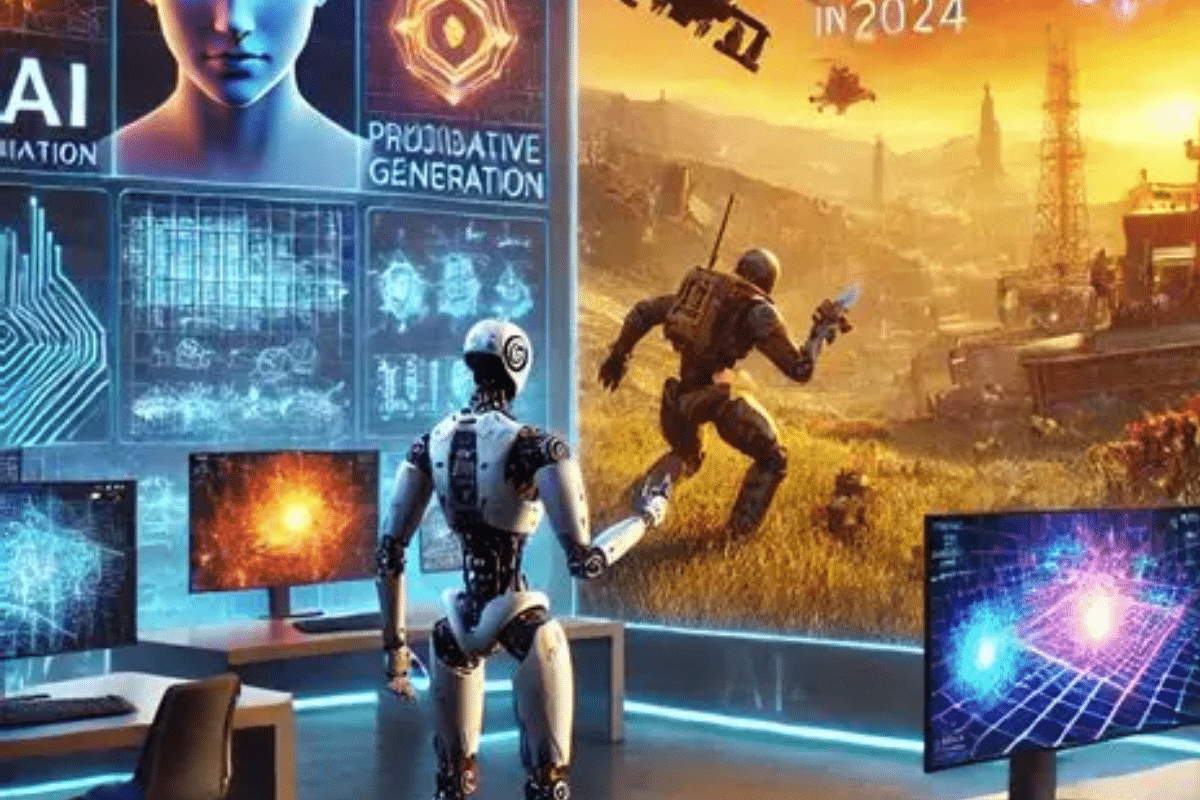
You notice how different gaming characters can walk? Some look like they are skating on ice, some when on an angle their feet appear not to be connected to the ground properly. This is called the “uncanny valley” of movement. Historically, developers have used motion capture to record an actor’s movement. But you can’t record an actor for every possible movement a player could make in such a large game. That’s where AI game animation technology comes into play. Rather than playing a pre-recorded animation, this AI goes beyond that and can “understand” the laws of motion and the intent behind an action.
If a character is running and suddenly needs to turn left utilizing a muddy surface. The AI will determine how much weight is transferred and where the character’s feet should be positioned in real time. In terms of the broader generative AI game development concept, this gives characters a “weight to them”. They don’t just feel like 3D model forms, they feel like dynamic physical entities interacting with the world around them. Coupled with AI virtual character technology, they have a physical presence. They don’t just stand there. They shift their weight when they are bored, they look at interesting things happening around them. And they breathe naturally, so the world you are in feels “alive” even when you’re doing nothing.


The future of AI in gaming character generation
A significant “game changer” has come from how we interact with these characters, as we’ve all experienced. Completing a quest and wanting to ask the NPC something specific but being unable to because you can only tell them “Yes”, “No”, or “Tell me more about the Lore.” This breaks immersion for players with LLMs (Large Language Models). This is the same technology that many of us use in the workplace for AI-assisted gaming development tools. Which has allowed for characters now to have “unscripted” conversations, and they will respond using their own voice and mannerisms while remaining in character, actually remembering actions taken ten hours prior in the game.
The number of players that can utilize these methods of AI-generated gaming content will provide a unique experience to each individual. So a player may be able to make friends with a character who someone else offended in the past. This isn’t merely a gimmick, but rather a drastic change in telling stories. We’re changing from “reading a book” to “living in a world.” The innovation of LLM technology in AI gaming development is creating interactive social spaces whereby the “people” are as complex as “real-life” friends. Because of how unique the AI-created interaction is between the two.
Is this the end of human creativity?
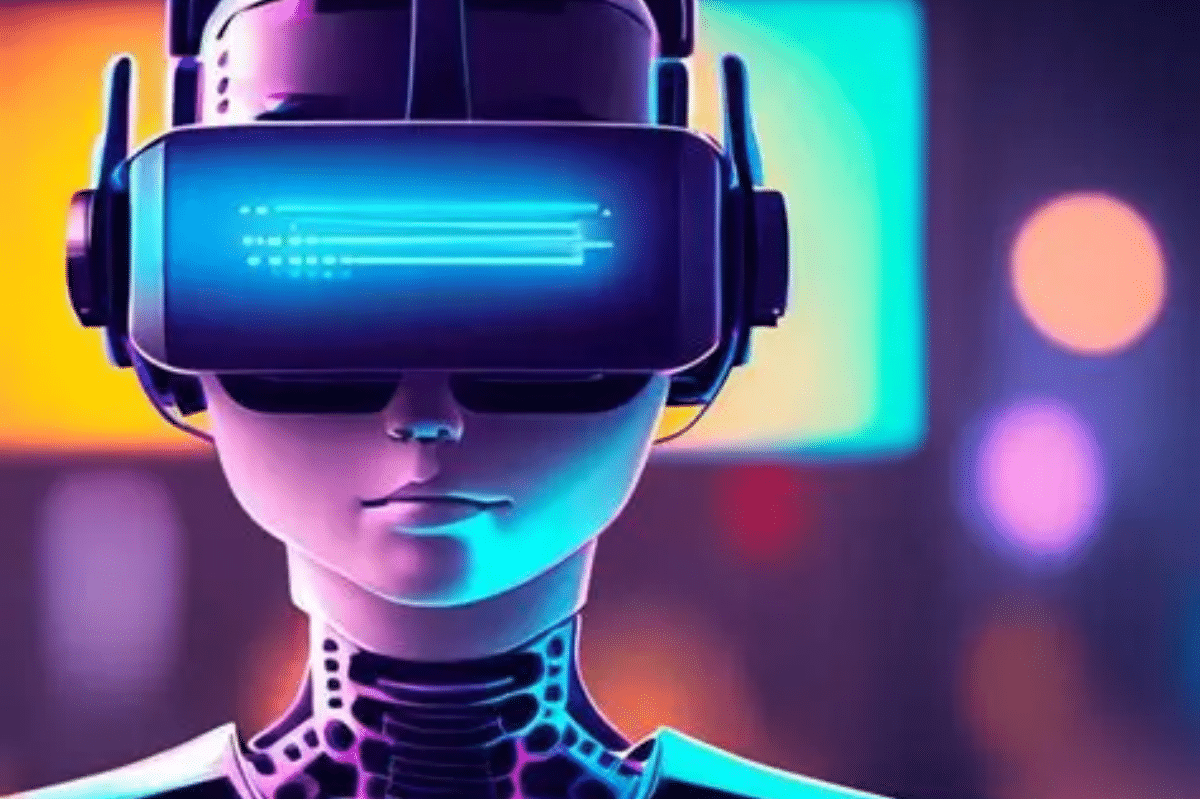
While there is a persistent fear among some in the industry that the advent of AI will eliminate the “soul” from games. It also results in job losses for artistically minded creators within teams (e.g. artists). Most believe that AI will enhance the gaming industry — but many will add a qualifying statement on the topic. AI is merely another tool to produce items, just like Photoshop, a 3D modelling program. AI performs those boring activities, for example, creating 500 unselected background villagers or calculating how a cape will flow through the air horizontally. Thus, it allows the human designers to focus their time, energy, and talent on creating unique elements of the game that AI cannot. For example, writing emotional, evocative storylines, establishing distinct styles of artistry. As well as making the game enjoyable to play.
Furthermore, AI will augment creativity. Which allow both developers and creative individuals working in gaming to create previously impossible worlds and characters. It enhances creativity by expanding the potential of development teams, regardless of their size or the budget available to them. The development of creative tools based on AI within the gaming industry has commenced, and for gaming audiences. This will provide users with the type of immersive experience that will allow them to “lose themselves” in the game for extended periods following their work.


Curious about how AI is changing your gaming experience?
Gaming Tech FAQBreaking down the tech that’s making your virtual worlds feel more real than ever.