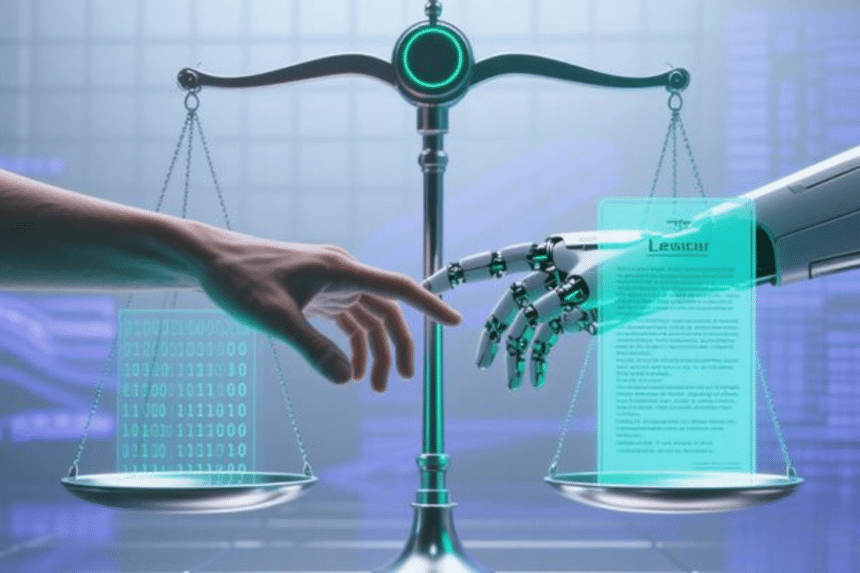
Why “AI Ethics and Regulation” Matters More Than We Think
You know that feeling when you’re queueing up at the mamak, waiting for your teh tarik, and you overhear the next table talking about something that sounds super technical but somehow affects you? That’s where we are with AI right now. Last week, I was having dinner with a friend who works in HR. She was complaining about how her company just rolled out this new AI tool to screen resumes. “Within one week, it rejected 200 applicants,” she said. “And I have no idea why. The system just gives them a score, and if it’s below 70, they’re out. No explanation, no appeal, nothing.” Which brings us to a term that sounds like it belongs in a university syllabus: AI Ethics and Regulation. But here’s the thing—it’s not just for academics or policymakers. It’s for anyone who’s ever wondered, “Wait, is that even fair?”
- So What Actually Is AI Ethics and Regulation? Let’s Start With Something Familiar
- Why Companies Are Suddenly Obsessed With AI Ethics and Regulation
- AI Data Privacy: It’s Not Just About Facebook Leaking Your Info
- Malaysia’s AI Regulations: Where Are We Really At?
- What Does This Mean for Ordinary Malaysians?
- The Role of Tools and Platforms in Navigating AI Ethics and Regulation
- What Malaysian Workers Actually Want to Know About AI
So What Actually Is AI Ethics and Regulation? Let’s Start With Something Familiar
Let me give you a very Malaysian scenario. You’re driving back to KL from Penang during Raya break. You’re tired, you’re stuck in bumper-to-bumper traffic near the Sungai Perak rest area, and you accidentally drift into the emergency lane for about 10 seconds just to let an ambulance pass. A few weeks later, you get a saman in the mail. Not from a traffic police, but from an AI camera that automatically detected your car in the emergency lane.
Fair or not? This is where AI Ethics and Regulation comes in. It’s basically asking: Who’s accountable when an automated system makes a judgment call? Can you challenge it? Is there a human you can talk to? Many people don’t realize that most AI systems today are essentially “black boxes.” Data goes in, decisions come out, and even the engineers who built them sometimes can’t explain exactly why a particular decision was made.
That’s scary when you think about it. Because if an AI denies you a housing loan, and nobody can tell you why, how do you fix it? How do you prove it was wrong?


Why Companies Are Suddenly Obsessed With AI Ethics and Regulation

A friend of mine runs a small fintech startup in Bangsar. Two years ago, his biggest headaches were things like server downtime and hiring developers. Now? He spends at least one meeting a week talking about compliance.
“What changed?” I asked him. “Investors,” he said. “Every time we raise funds, the first question isn’t ‘how many users do you have’ anymore. It’s ‘how do you manage AI risk?'”


This is the shift that’s happening globally, and Malaysia is not immune. When we talk about AI regulatory trends 2026, what we’re really talking about is this: governments and investors are starting to realize that AI can cause real harm if left unchecked.
Take the European Union’s AI Act, for example. It classifies AI systems by risk level. If you’re using AI for something “high-risk”—like hiring, education, or critical infrastructure—you need to prove it’s transparent, accountable, and fair. If you can’t, you face fines that can go up to millions of euros.
Malaysia hasn’t gone that far yet. But Bank Negara has already started issuing guidelines for financial institutions using AI. The Securities Commission is paying attention. And large corporations are quietly hiring AI governance officers, not because the law forces them to, but because they know it’s coming.
This is where platforms like QIAI come into the picture—not as a magic solution, but as a tool that helps companies assess whether their AI systems are biased, whether they’re leaking data, or whether they’re likely to run into regulatory trouble. Think of it like a fire extinguisher: you hope you never need it, but you’d be stupid not to have one.


AI Data Privacy: It’s Not Just About Facebook Leaking Your Info
When most people hear “data privacy,” they think of scandals like Cambridge Analytica—some company stealing your data and using it to manipulate elections. And yes, that’s part of it. But AI data privacy issues go deeper than that.
Let me give you an example that might hit close to home. You know how when you’re shopping on Lazada or Shopee, you start seeing ads for things you were just talking about with your spouse? A lot of people think the phone is listening. Usually, it’s not. What’s actually happening is that AI is analyzing your behavior patterns—what time you shop, what you linger on, what you search for—and predicting what you want before you even know you want it.
Sounds convenient, right? Until you think about the implications. What if insurance companies start using this data to adjust your premiums? What if employers use it to predict which employees are likely to quit, and start treating them differently? What if AI knows you’re feeling depressed based on your browsing habits, and starts showing you predatory loan ads?
This is why responsible AI use matters. It’s not about stopping technology. It’s about making sure the people building and deploying these systems ask themselves one simple question: “Just because we can, does it mean we should?”
In Malaysia, the Personal Data Protection Act (PDPA) is still catching up to these realities. It was written in a world before AI was everywhere. But amendments are in the works, and the direction is clear: companies are going to have to be much more transparent about what data they collect and how they use it.
Malaysia’s AI Regulations: Where Are We Really At?
If you’ve been following local news, you might have seen announcements about the National AI Office, or the government’s AI framework. It’s easy to be cynical about these things—another task force, another white paper, another set of guidelines that nobody reads. But here’s what’s actually happening on the ground.
Unlike the EU’s top-down approach, Malaysia is taking what you might call a “soft landing” strategy. Instead of rushing to pass laws that might be outdated by the time they’re enacted, regulators are working closely with industry players to develop practical codes of conduct.
The thinking goes like this: If you force companies to comply with rigid rules, they’ll either find loopholes or move elsewhere. But if you work with them to figure out what good practice looks like, you’re more likely to get genuine buy-in.
Does this mean Malaysia AI regulations are too slow? Some critics say yes. They argue that by the time we have proper rules in place, the damage will already be done. Others say this collaborative approach is exactly what a small, open economy needs—flexibility to adapt without strangling innovation.
Personally, I think both sides have a point. But one thing is clear: the conversation has moved from “if” to “when.” Whether you’re running a startup or working in a multinational, AI compliance is no longer optional. It’s becoming a cost of doing business.
What Does This Mean for Ordinary Malaysians?
At this point, you might be thinking: “Okay, this is interesting, but what does it have to do with me? I don’t build AI. I don’t work in compliance. I just want to use my apps and go about my day.” Fair enough.
But here’s the thing: AI ethics and regulation affects you every single time an algorithm makes a decision about your life. When your EPF investment portfolio is managed by AI. When your child’s school uses AI to rank students. When your insurance renewal price goes up and nobody can explain why. The good news is, you don’t need to become an expert. You just need to know the right questions to ask. Questions like:
- Who decides what data goes into this system?
- Can I see the data they have on me?
- Is there a human I can talk to if I disagree with an AI decision?
- What happens if the AI gets it wrong?
These aren’t technical questions. They’re human questions. And they’re at the heart of the entire AI ethics and regulation debate.
The Role of Tools and Platforms in Navigating AI Ethics and Regulation
One of the biggest challenges companies face today is simply knowing whether their AI systems are compliant. Unlike financial audits, which have been around for decades, AI audits are new. There are no standardized checklists. No universally accepted certifications.
This is where specialized platforms come in. They help businesses run diagnostics on their AI systems—checking for bias, testing for data leaks, flagging potential compliance issues before they become lawsuits.
Think of it like bringing your car for service. You could wait until something breaks, but it’s smarter to have a mechanic check it regularly. Similarly, companies are starting to realize that AI risk management isn’t just about avoiding trouble—it’s about building trust with customers, investors, and regulators.
In Malaysia, we’re still in the early days of this. But the trajectory is clear. Five years from now, having an AI system that hasn’t been audited for ethics and compliance will seem as reckless as driving a car without insurance.
What Malaysian Workers Actually Want to Know About AI
Honest answers to unfiltered questions, minus the corporate script.