Why Retailers Struggle with Inventory and How AI Demand Forecasting is Changing the Game in Asia
The Nightmare of Having Too Much or Too Little
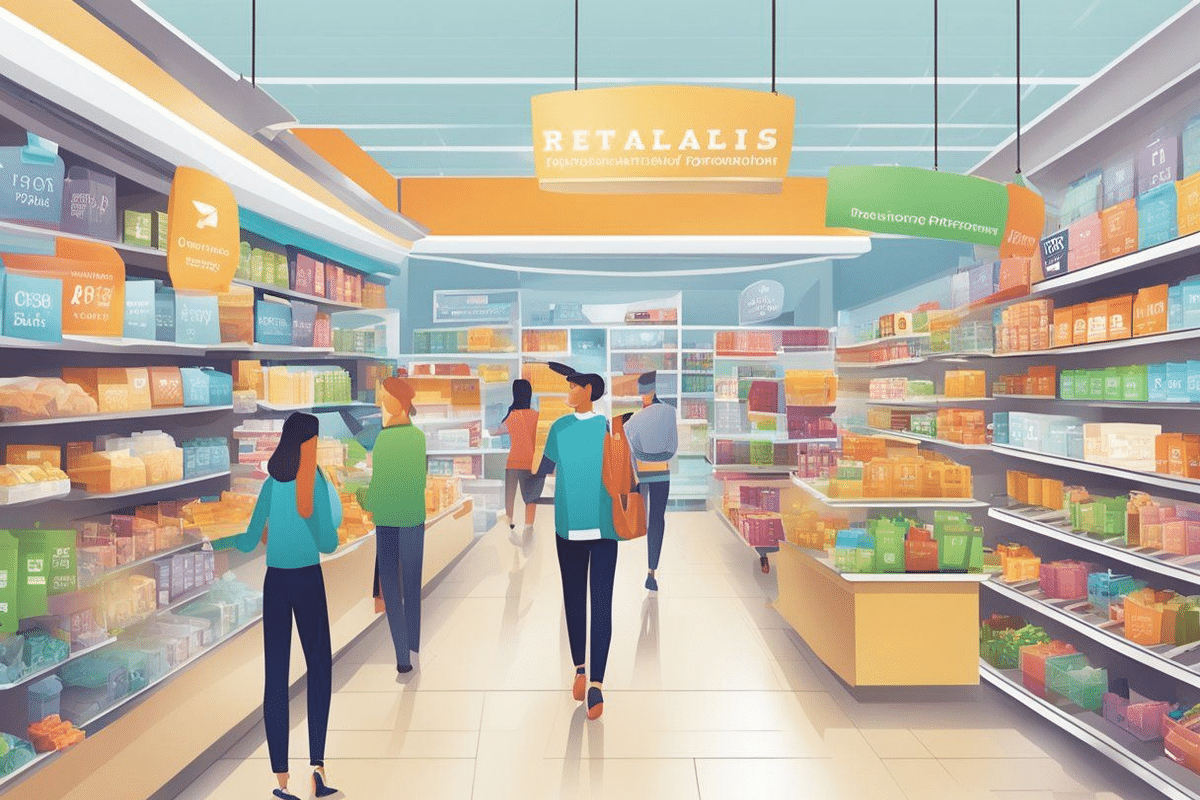
If you have gone to a busy grocery store in PJ or a trendy boutique in Mid Valley searching for a product only to see that the shelf is bare. Then you have been affected by a poor forecasting experience. As a retailer, it is very frustrating to see inventory piled up in your warehouse with no sales and therefore no revenue. Many retailers throughout Asia have relied on traditional methods for years. Today, however, retailers have to deal with many more chaotic and unpredictable situations than ever before. Trends can take off and sell out of the stores in hours, like TikTok trends, and natural disasters. As example a monsoon can prevent customers from coming in and buy fresh produce that would normally end up being sold by the end of the day. The discussion about AI in retail demand forecasting begins here. The purpose of demand forecasting is not to replace the instinct and experience of senior management. But rather to provide a more accurate forecast based on actual data rather than just gut feeling or instinct.
The Core Insight
Key TakeawayData Over Guesswork
The real power of AI in retail demand forecasting isn’t just counting past sales; it’s the ability to digest external “noise”—like weather, local holidays, and even social media sentiment—to tell you what’s coming next.
How AI in Retail Demand Forecasting Actually Works?
AI is like an employee who can quickly recall and analyze thousands of spreadsheets in five seconds. Standard forecasting information is typically based solely on Internal Data. Such as the number of cartons of Soja Milk sold last Monday. However, with the use of AI in Retail Analytics, it also considers External Factors. For example, if there is a significant heat wave predicted for the Klang Valley in the upcoming week. Then the forecasted demand for Cold Beverages will increase by 30%. In addition, it delves into the reasons for each occurrence.
Through the use of Machine Learning Retail Forecasting, the system can learn from past mistakes and adjust for future occurrences. For instance, if the system predicted there would be an increased demand for products due to holidays. But this did not occur due to unexpected factors such as mandatory lockdowns or substantial price increases. Then the AI will take this into account when making future predictions. In essence, the AI gets smarter with each transaction and assists with AI Retail Inventory Management. Thereby eliminating the risk of having excess inventory of low-demand goods.
AI in Retail Demand Forecasting and the Unique Challenges Across Asia
Retail in Malaysia, Singapore and Thailand is also not similar to retail in the US or UK. The festivals create spikes in shopping platforms that are far sharper than anywhere else. In addition, our supply chains are typically tied to worldwide shipping routes that produce unpredictable results for us. AI retail supply chain optimization has become essential to helping us manage supply chain constraints facing retailers that have variables caused by disruptions along the supply chain. For example, If goods shipped from China are delayed at their port due to congestion you can utilize smart AI to provide early warnings that will impact local promotions, before the stock arrives.


Another way that AI driven retail demand forecasting is assisting retailers is by providing visibility of marketplace trends to large and small retailers (SMEs). With the right information, all retailers can learn to prepare for stock stores two weeks in advance instead of just reacting once sold out. Companies like Gritus are exploring how these intelligent party solutions can simulate traditional retail locations. Such as vending machines and kiosks to facilitate better replenishment planning at the right time.
Making Better Decisions with AI Consumer Demand Analysis
An exciting aspect of this technology is the capability of AI to analyze customer demand. In the past, business owners viewed all their customers as one large group. However, with artificial intelligence, the technology can find trends that people cannot. By using AI retail data, businesses will be able to tailor their stock within each store specifically based on this data and not just send the same stock to all stores. AI retail business intelligence used to only be available to large retailers such as Amazon and Alibaba.


Although AI retail technology is still in its infancy for a lot of retailers, it is becoming more available to smaller retailers: “The rest of us”. By using predictive analytics, retailers can prevent mistakes. Retailers will have to spend less money on storing products that they did not sell. They can also save on liquidating the product at a loss because customers are satisfied due to the store carrying the product that they wanted.
The Future of AI Retail Automation Solutions
The future of AI in retail forecasting isn’t just about using an interface to help you choose what to buy. We’re heading into AI retail automation solutions, where the system can automatically trigger a purchase order. Once your stock reaches a preset amount—like what would have happened if there weren’t such a thing as AI systems. This might seem like something from science fiction, but it is already starting to take place.
From employing AI retail sales forecasting tools to help shop managers decide when to staff up, to utilizing AI retail market analytics to help brands determine where they should open their next physical locations. Retail is still going to be a “people” business. It’s about service; it’s about products. Allowing AI in retail demand forecasting to take care of the number crunching and the identifying of patterns will allow for people to go back to doing what people do best. Interact with customers, be creative, and build their brand.
Common Concerns About AI in Retail
Retail Tech FAQHelping you navigate the transition from traditional spreadsheets to smart forecasting.