
From Data Chaos to Seamless Flow: How AI in Enterprise Workflow Automation is Quietly Fixing the Way Asia Works
Why does “busy” feel so unproductive lately?
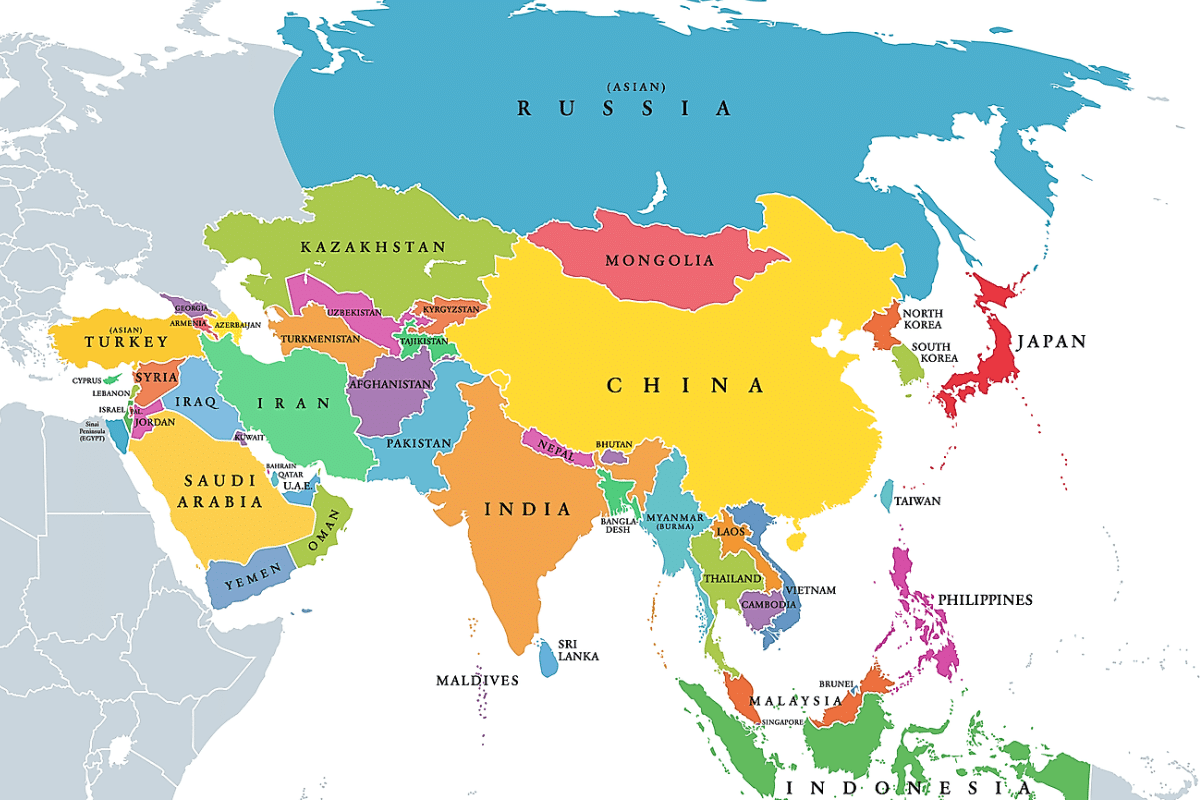
Spending time on Mondays trying to contact people for updates and relocating data manually between multiple spreadsheets. Thus, you can write a report that no one uses is not an uncommon occurrence in the Asia region. The digital transformation that we have been promised looks like just another tab open in the browser. We have the tools but must do the bridging between different systems, which do not integrate.
- Why does “busy” feel so unproductive lately?
- AI in enterprise workflow automation: Moving beyond “If-Then” logic to real intelligence
- How AI in enterprise workflow automation is cleaning up the “Messy Middle”
- AI in enterprise workflow automation: Why “Human-in-the-loop” is the secret sauce
- Practical steps for the “Not-so-tech-savvy” leader
The conversation about AI and enterprise workflow automation becomes interesting because it is no longer about robots taking our jobs. It is about fixing the plumbing infrastructure of your business for increased efficiency. When we think about how much time is wasted waiting for approvals for invoices or creating lengthy employee orientation processes or requiring human involvement in processing customer service tickets to open them, review them and make a determination as to what action they should take next. We can understand why AI automation of business processes creates the ability to teach a system how to perform those simple clicking functions for people. So they can participate in thinking at work rather than just the physical doing of their job. Asia is experiencing changes taking place right now that result from a gradual evolution of workflow management systems with AI support taking away the labor-intensive administrative processes that have kept employees in their seats at their desks after 3 PM every day.
AI in enterprise workflow automation: Moving beyond “If-Then” logic to real intelligence
Traditional automation is akin to an extremely obedient intern, but who is also very dumb. If you gave it the command – “If A occurs, then do B” – it carried out the order perfectly, but once A 1 occurred, the whole thing failed. That is why many businesses found it hard to implement old-style AI systems that would produce business results. Because the automation was way rigid and couldn’t adapt to the chaos of running a business on a day-to-day basis.
The “New AI” system; specifically, machine-learning-based workflow optimization systems, are not limited to only following a recipe. An intelligent process automation (IPA) machine learning system will learn how to create a dish as well. For example, instead of just moving a PDF file from an email to a folder, an IPA could read the invoice, determine that the SST/GST calculation appears to be incorrect based on previous invoices, flag the invoice for review by a human, before it is paid.



The Core Insight
Key TakeawayAutomation is the “How,” AI is the “Why”
The real value of AI in enterprise workflow automation isn’t just speed—it’s context. While old tools just moved data, modern AI understands the intent behind the data, allowing it to handle exceptions that used to stop workflows dead in their tracks.
In regions of the world, numerous small and medium enterprises manage various kinds of documents that could require multiple languages or informal methods of communicating. Such as via WhatsApp screenshots used to send receipts. Thus this ability is revolutionary and allows other companies besides large technology players the opportunity of utilizing enterprise AI productivity solutions.
How AI in enterprise workflow automation is cleaning up the “Messy Middle”
“Messy Middle” in business refers to the time a customer places an order until it is delivered to them. In that time frame, businesses spend a lot of time entering data, checking inventory and coordinating logistics. By applying AI to the enterprise workflows of automation, organizations are closing those gaps. For example, instead of an employee checking the warehouse system for inventory levels every hour, a company can use AI workflow analytics tools to predict. When they will run out of inventory based on sales data and generate a purchase order before they run out.


Using AI in business automation is more than just saving time; it will also reduce the potential for human error. Everyone has had a day where they were so fatigued that they accidentally entered one digit too many or forgot to copy someone in an email. Unlike people, AI never tires of working; it does not have “Monday blues”. Through the investments made in AI digital transformation strategy, AI will continue deliver ROI. AI will be the catalyst for your continued success.
AI in enterprise workflow automation: Why “Human-in-the-loop” is the secret sauce
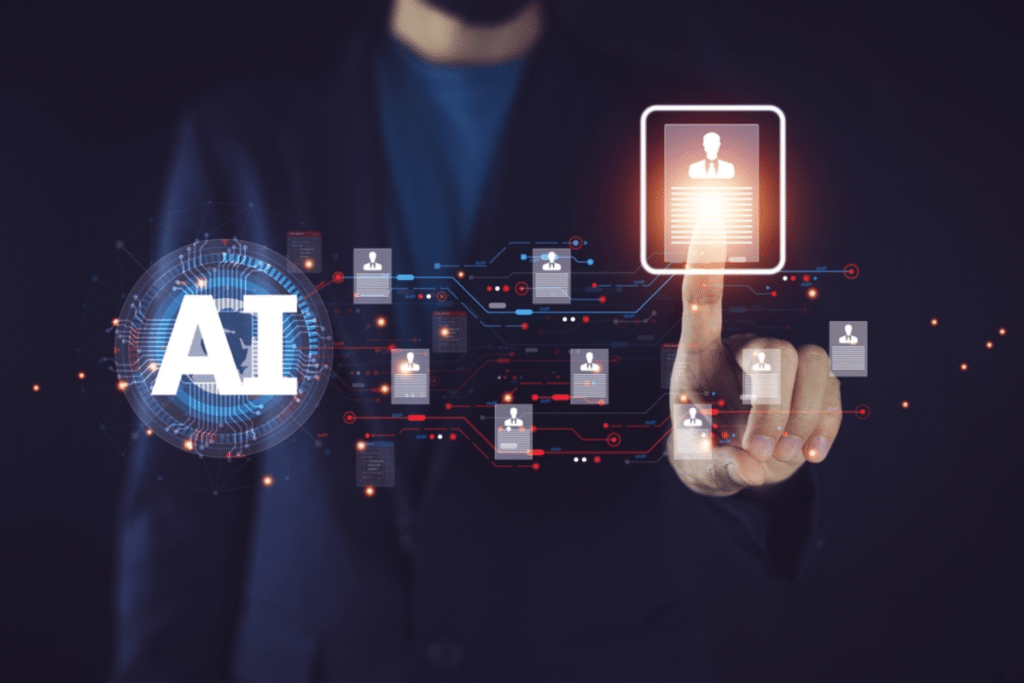
Many people are concerned that AI will make humans redundant in enterprise automation,. But talking to any of the people who have real-world expertise in this area will show you that AI instead makes your human attributes more valuable. Enterprise productivity tools are intended to free-up time for humans to conduct ‘human’ tasks like negotiating and solving problems creatively and building relationships instead of monotonous ‘robotic’ tasks. For example, an HR recruiting system with AI capabilities may evaluate 500 resumes for a position to come up with a list of the top 5 contenders. However, ultimately it is the HR Manager who would then sit down with the candidate and determine his/her ‘fit’ with the culture of the company.
This collaborative relationship is what will characterize the future of AI within enterprise automation. AI is a partner in the process. Solutions such as
Gemini are helping accelerate team brainstorming and drafting messaging. However, the final build of the ‘vibe’ and determination of fit continues to be controlled by a human. The ‘Human-in-the-loop’ approach remains the way that AI enterprise software will create an opportunity for empowerment. Otherwise AI would become simply a cost-reduction methodology.
Practical steps for the “Not-so-tech-savvy” leader
Are you unsure about how to implement AI into your company’s daily workflow? You don’t need to invest in an expensive solution to get started. Instead, consider the task you find annoying—and let it lead you to automating with AI. Start by looking for your business’ bottlenecks. Such as claims processing, the common questions asked of you via social media, etc., and seek out available AI automation technology solutions that address those specific pain points.



Most modern AI enterprise efficiency solutions are now “low-code” or “no-code”. This means you need not have a computer science degree to build one. You just need to be able to describe your business processes to the program. In Asia we see ourselves as being resourceful, therefore, this is our greatest asset when it comes to implementing AI into our daily workflows—we already know how to make things work, and now with AI we can get things done faster and easier than ever before!
Is my business ready for an AI upgrade?
AI in WorkflowCommon hurdles and honest truths about moving to automated systems.