From Dreams to Digital Worlds- Why AI video game generation is the Real Gamechanger for Players in Asia
Why your favorite game world suddenly feels “infinite”
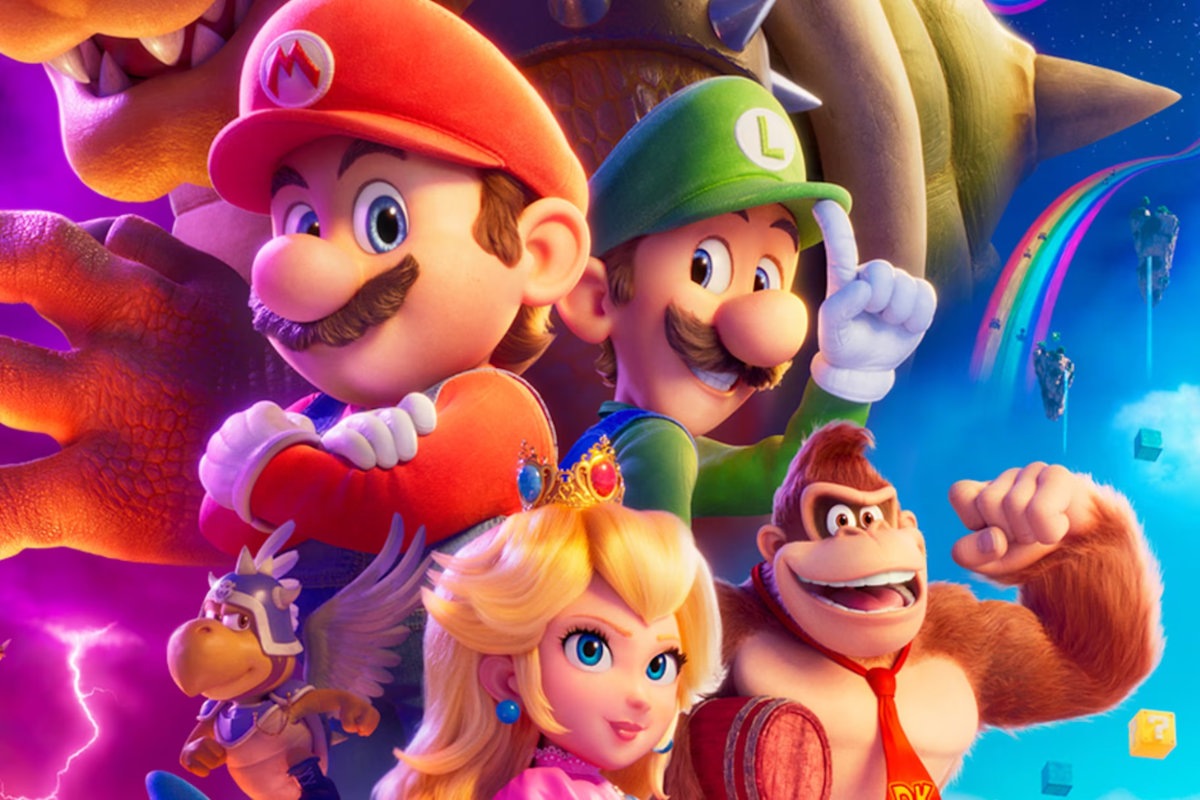
Have you experienced how many of the current video games seem unending? When we played the original Super Mario and Contra, when we finished them that was it. The entire map – all enemies respawned in the same position, and once we learned how to play the game – so the “magic” was gone. But now this has all changed. When you walk into a forest in a modern RPG, it appears that every tree, rock and hidden pathway was specifically placed there for your enjoyment. This is not only because there are tons of additional designers being hired by game development companies. At times it comes from AI video game generation.
To understand it better, think of a chef who has built a machine that can create perfect noodles for all of his dishes without having to spend time creating every single piece of noodle manually. In video gaming this means, that the world can get bigger, change and grow & adapt without the need for a developer to redraw every single object. This is one reason we are starting to see many more Open World video games. That actually appear as if they are alive and not just being empty space.
The magic behind the scenes: AI video game generation
When you think about AI created gaming experiences people tend to think of AI robots taking over the job but it is actually more like a super tool for creators. For many years developers have used something called Procedural content generation (PCG). Which is the technology that allowed games like Minecraft or No Man’s Sky to create billions of unique planets. The original way PCG worked was on very strict mathematical rules- If X happens to do Y. Now with the introduction of AI generative models to gaming the AI is beginning to be more creative than just following a recipe. Instead of simply having the AI follow a recipe for making a forest appear natural or making a dungeon only challenging and fun.
AI is an Artist’s Power Tool
The real breakthrough in AI video game generation isn’t about replacing developers, but automating the “grunt work” like Game level & map design automation. This allows human creators to focus on the soul of the game—the vibe and the emotion.
The conversation with the NPC (non-playable character) will have a new dynamic versus the typical repetitious three phrases encountered in a traditional world. Imagine if you were to visit a shopkeeper, and he (or she) could express gratitude toward you for having previously helped his brother complete a quest! The excitement of being engaged in two different play styles using narrative and storytelling through AI. This creates the perception of the game world responding to you as an individual player.



Real-time adaptation: A game that knows you better than your BFF
One area of AI generated video games that is quite impressive (albeit a little scary) is Real-Time Environment Adaptation. In the past, video games had “Difficulty Levels”. If someone got stuck on a boss for two hours, they’d likely rage quit. However, nowadays games can track player behaviour and see if that person is having problems beating the boss. Instead of allowing that player to fail, the game may change the timing of the boss in subtle ways or drop health potions just as they are about to lose another life.
With these enhancements being applied to user experience, everyone who plays the game will have a different experience. For example, even graphics on a game can be improved dramatically by using AI-driven graphics upscaling (e.g., DLSS) . Which allowing users with an average PC/laptop to experience video games as if they are playing on a gaming PC worth over RM10,000. This allows for the benefits of high-quality gaming to reach an audience in Asia who do not have access to expensive gaming PCs.



How AI video game generation helps the people who make games
If you have followed the development of multiple games through various iterations, then you are probably familiar with “Delays.” Many highly anticipated titles are delayed by months due to bugs. This is where game testing and quality assurance automation through machine learning in games occurs. Game developers can use AI “bots” to test or play through an occurrence. It may take human testers 500plays on a level through 10 testers (a total of 5,000 occurrences). An example of this would be finding a location for characters to “stick” to a wall or an area to “drop” in frame rate.
Game developers are using AI (Ubisoft) and Electronic Arts (EA) to develop new game engines. Which enable game developers to complete tasks at a much faster rate than before. The aesthetics of monetization are changing as well. Monetizing NL through AI-generated skins can provide users with a personalized item based on their preferences, rather than through a random item obtained from loot boxes.
Is this the end of human creativity?

While the prospect of generating video games using AI can create concerns that we will lose the ‘human touch’ in games. They will forever feel ‘soulless,’ the reality is that this is highly unlikely. As an example, think of the Electric Guitar as a new type of instrument that musicians used when they first emerged. Initially, many people believed acoustic music could never reach any further than the world it currently existed in. But the Electric Guitar helped create an entirely new type of music known as ‘Rock and Roll.’
Across Asia, we have a vast wealth of stories to tell, with each culture possessing unique and rich backgrounds. Through the use of AI tools, many smaller independent developers in Malaysia, Singapore and Indonesia can now build significant, high-quality games using budgets that few years ago. It would have never of provided sufficient funding to allow even small video game development studios to create anything. So, while the AI is constructing the ‘bricks’ for our new place to be created, we are the ones making the decision regarding what type of ‘house’ we want to have built on these bricks.