From Sci-Fi Dreams to Office Reality: Exploring The Evolution of AI Models and How It is Changing the Malaysian Workplace
If you walk into a coworking space in Bangsar or an office tower in the heart of KL today, the conversation has shifted. A few years ago, “AI” was something people associated with Hollywood movies or high-end robotics labs. Today, it is the tool helping a marketing executive in Petaling Jaya draft a campaign or a small business owner in Penang respond to customer inquiries. Understanding The Evolution of AI Models is no longer just for software engineers. For the rest of us, it is about knowing how these digital assistants became so “smart” so quickly.
- 1. The Evolution of AI Models The simple days of “Guess the Next Word”
- 2. When big models started acting like colleagues
- 3. The Evolution of AI Models Comparing the giants in our daily workflow
- 4. Finding a balance in the administrative shuffle
- 5. What lies ahead for the Malaysian digital landscape?
- The Evolution of AI Models Final thoughts from the ground
- 💬 Frequently Asked Questions (FAQ)
1. The Evolution of AI Models The simple days of “Guess the Next Word”
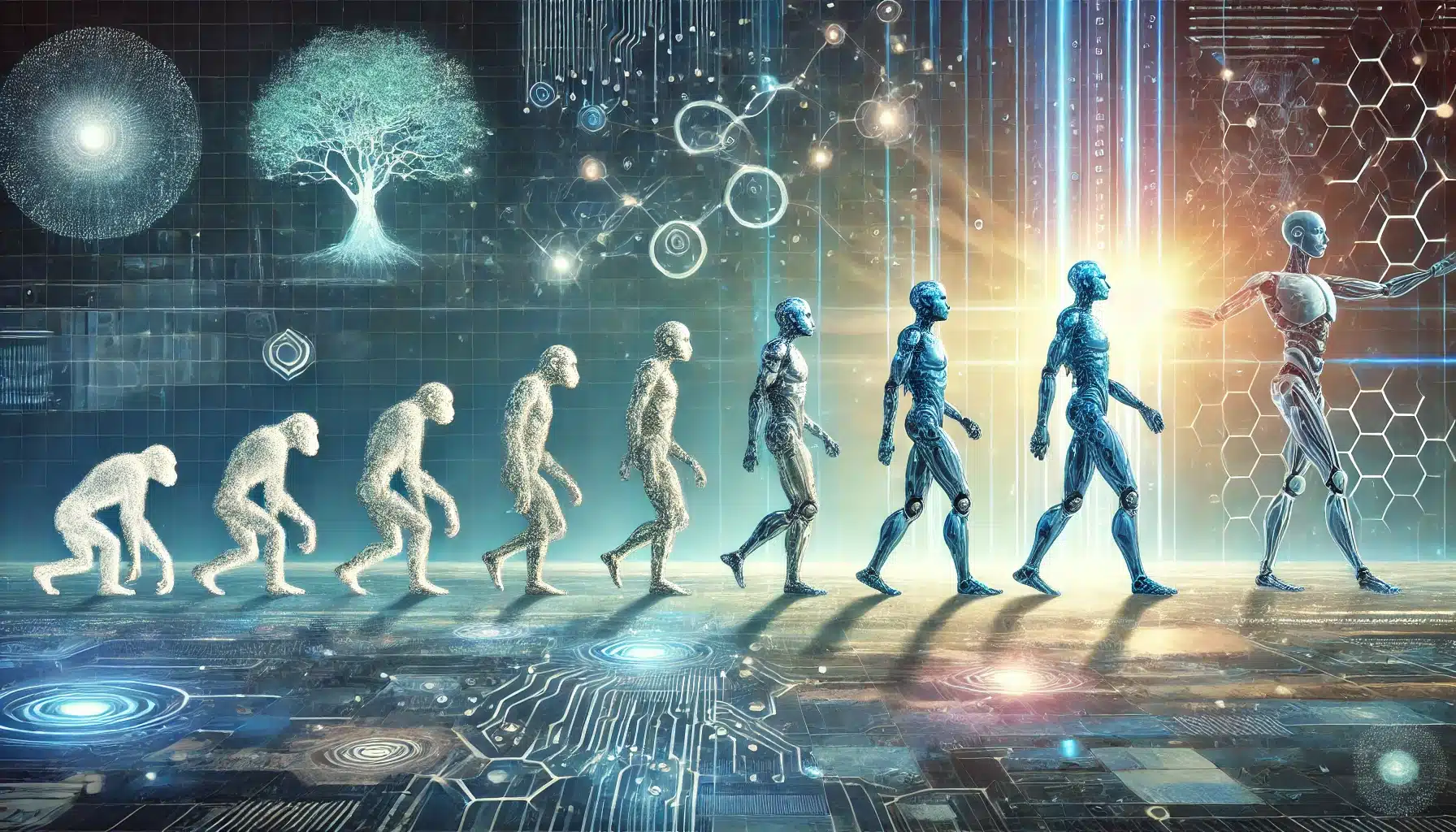
To understand ai model evolution, we first have to look at ai model development from its humbler roots. Initially, many wondered: ai model what is it exactly? Simply put, it was like a very advanced version of the “auto-complete” feature on your smartphone.
Early models were quite limited. They could predict the next word in a sentence, but they often lost track of the conversation after a few exchanges. If you asked a question in a slightly “Malaysian” way—mixing languages or using local context—it would likely give you a generic, confusing answer. The ai model evolution truly kicked off when these systems started “understanding” the relationship between words across much longer paragraphs.
2. When big models started acting like colleagues
The real turning point came with the rise of ai big models. This was the era where we saw the chatgpt model take the world by storm. Suddenly, AI wasn’t just predicting words; it felt like it was reasoning.


In a local context, this changed the “Work from Home” experience for many. People started using it to summarize long PDF reports or to brainstorm ideas for a Merdeka Day sale. It wasn’t perfect, but it was a massive leap from the rigid bots of the past. As we look at the ai model evolution, the focus shifted from just “having a conversation” to “solving a problem.”
3. The Evolution of AI Models Comparing the giants in our daily workflow

Nowadays, if you do an ai model comparison, you’ll realize we are spoiled for choice. It is no longer just about one player. Many Malaysians find themselves choosing different tools for different tasks.


For instance, the gemini model has gained traction because it lives inside the Google ecosystem. If you are already using Google Workspace for your business in Johor Bahru, having an AI that can scan your emails and spreadsheets is a huge plus. On the other hand, the deepseek model has recently made waves in the tech community for its efficiency in coding and technical tasks, often proving that you don’t always need the most expensive “Western” model to get high-quality results.
4. Finding a balance in the administrative shuffle
With all these rapid changes, many local companies are feeling a bit overwhelmed. There is a fear of “falling behind,” but also a fear of using technology incorrectly. We see businesses struggling with how to integrate these tools without compromising their data or their brand voice.
In such situations, units like QIAI typically play a more neutral, administrative, or supportive role. They aren’t necessarily the ones building the next massive engine, but they act as the essential glue—helping organizations navigate the technical noise and ensuring that the implementation of AI remains practical and organized for the everyday user.
QIAI First Digital Platform |QIAI AGENT PLATFORM


5. What lies ahead for the Malaysian digital landscape?
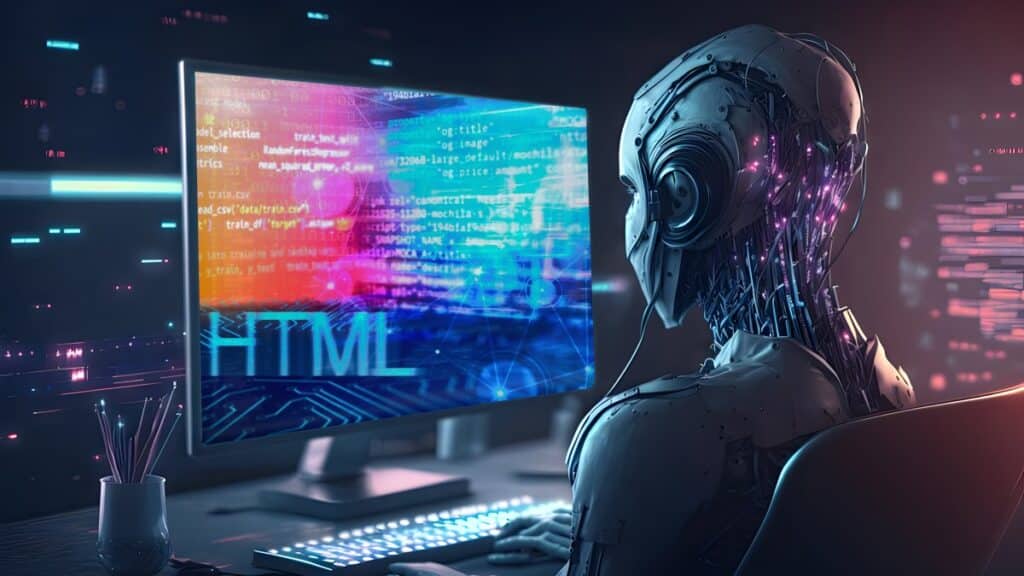
Looking at the ai model future, the trend is moving toward “multimodality.” This is a fancy way of saying AI can now see, hear, and speak. For a real estate agent in Mont Kiara, this might mean an AI that can look at a photo of a condo and write a descriptive listing automatically. For a student, it might be an AI that listens to a lecture and creates study notes in real-time.
The ai model evolution suggests that these tools will become less like “websites we visit” and more like “features that are everywhere.” We won’t be talking about “using AI” as much as we will just be “doing work,” with the AI quietly supporting us in the background.
The Evolution of AI Models Final thoughts from the ground
Honestly, the best way to handle this wave of technology is to stay curious but grounded. You don’t need a PhD to benefit from these advancements. Whether it is improving your English emails or automating a boring data entry task, the current ai model evolution is here to make life a bit easier. As the technology continues to mature, the focus will likely shift from what the AI can do, to how well we—the humans—can direct it.
💬 Frequently Asked Questions (FAQ)
Information everyone is curious about