

Everyone’s Talking About AI and Games — But Which Tools Are Actually Worth Your Time in 2026?
With dozens of new platforms launching monthly, it is easy to get lost in the hype instead of actually building. The secret to finding what is the best 2026 AI game development tools isn’t comparing feature lists, but matching the platform to your specific project stage—whether you’re validating a concept, generating assets, or shipping a prototype. Stop researching and start building by choosing the tool that solves the exact problem you are facing right now.
- Stage One: You Have a Concept — These Are the Best 2026 AI Game Development Tools for Figuring Out If It’s Worth Building
- Stage Two: What Is the Best 2026 AI Game Development Tools for Actually Producing Art Without Hiring Anyone?
- Stage Three: Prototype, Test, Ship — Which Tools Actually Take You There?
- The Earning Side: Can the Right Tools Actually Make Game Development Profitable?
Stage One: You Have a Concept — These Are the Best 2026 AI Game Development Tools for Figuring Out If It’s Worth Building
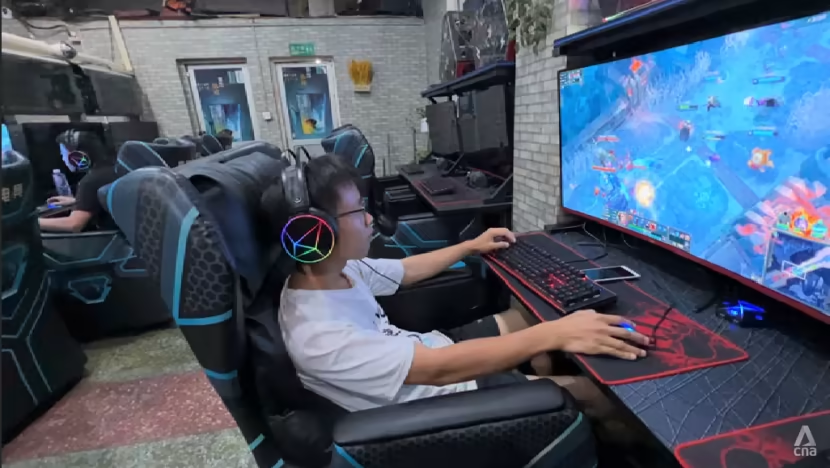
Honestly, the first step is often the most skipped one. Before you spend time building, you need to know if the idea is solid. Ludo.ai sits in this lane. It’s not just an AI game generator; it’s more like a market analyst. It helps you understand how to make a game with AI for beginners by looking at what’s trending and whether your mechanic has untapped space.
A solo developer behind the RPG Alumnia Knights used this to map out their full character roster before even touching a line of code. The point is: if you’re going to spend a few weekends on this, you want to spend twenty minutes first asking the system if the market is already oversaturated. This stage is crucial because it prevents you from stalling halfway through production when you realize the idea didn’t have legs.
Stage Two: What Is the Best 2026 AI Game Development Tools for Actually Producing Art Without Hiring Anyone?
Once you know what you’re building, you need the “pieces”—characters, backgrounds, and UI. For most solo creators, this is where the wall appears because art is expensive and time-consuming. However, you can now create games with AI no coding and no professional illustration skills.


Tools like Scenario and Makko AI are the go-to options here. Scenario is great for keeping a consistent style, while Makko AI’s “Collections” feature uses style inheritance to keep everything looking cohesive. One of the dead giveaways of an amateur game is visual inconsistency, and these best AI game development tools 2026 solve that by ensuring your hero and your background look like they belong in the same world. For someone who wants to how to build a game with AI tools from scratch, mastering the art production phase without a huge budget is a total game-changer.
The Core Insight
Key TakeawayAI Testing Cuts QA Time by Up to 50%
According to industry analysis by Elsner Technologies (Dec 2025), AI-driven testing platforms can shorten QA cycles by 30–50% compared to manual testing, while simultaneously increasing scenario coverage beyond what human testers can achieve within normal deadlines. For indie teams using the best AI game development tools 2026, this is one of the most overlooked — and highest-impact — places to plug AI into the workflow.
Stage Three: Prototype, Test, Ship — Which Tools Actually Take You There?

This is where the work becomes visible. Rosebud AI handles the fastest version—type a description, get a playable browser game. It’s perfect for testing if an idea works at all. If you need more depth, SEELE AI is a robust AI game development platform that exports complete Unity packages, meaning you aren’t trapped in a browser-only environment.


For those looking for an AI game development platform Southeast Asia creators can easily use, tools like GDevelop are great because they offer a visual event-based system with a huge tutorial community. Whether you’re in KL or Manila, these tools allow you to tap into the mobile-first culture without regional restrictions. And if you’re exploring the play to earn game development AI direction, having production-ready exports from tools like SEELE gives you a solid foundation to build on.
The Earning Side: Can the Right Tools Actually Make Game Development Profitable?
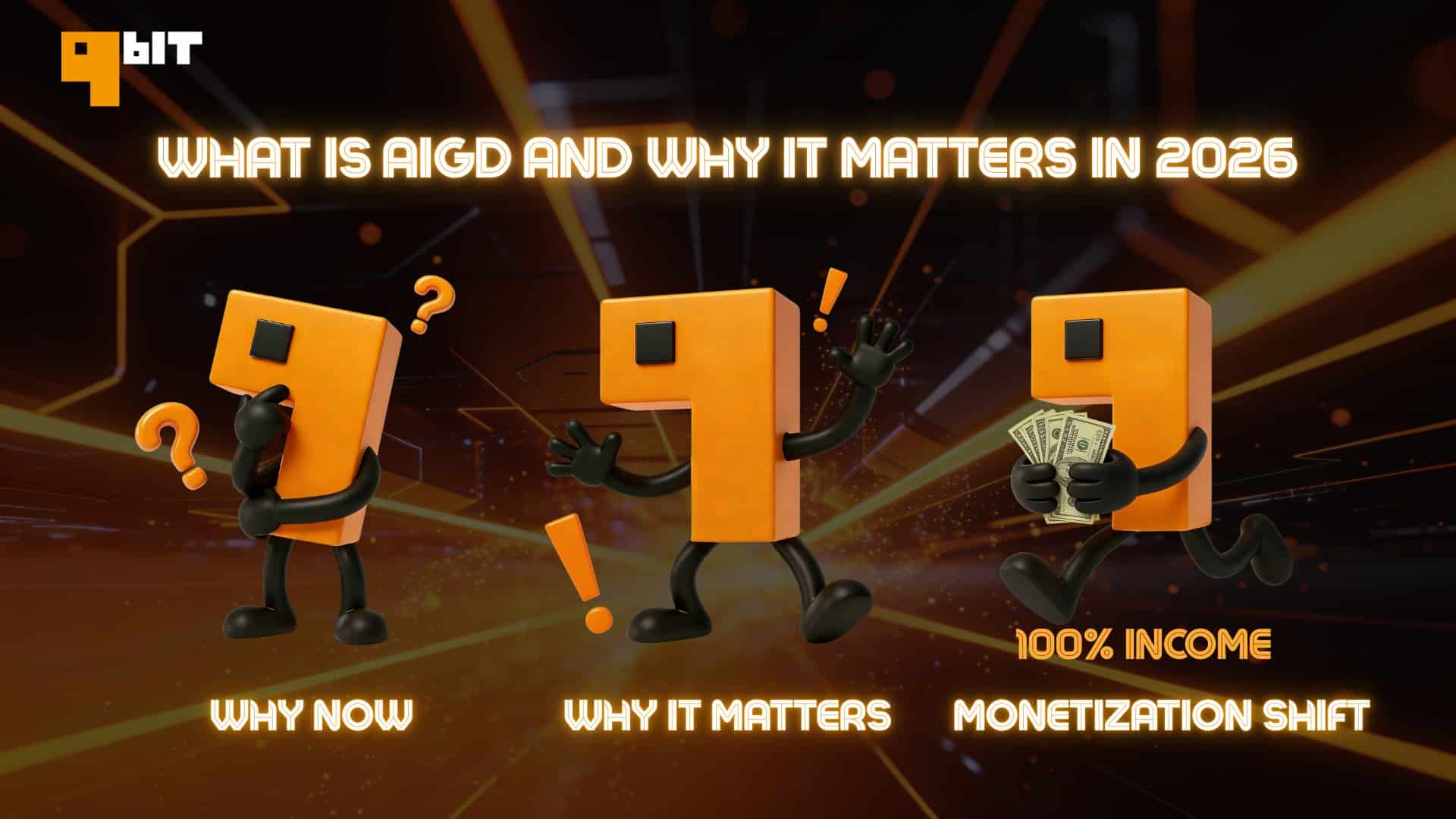
The short answer is yes, but let’s be real: the tools help you build faster, but they don’t create the audience for you. Many in our region are focused on how to earn money making games with AI through monetization models like ads or in-app purchases. Most AIGD platform tools today give you full IP ownership, meaning whatever you earn is 100% yours.
There is also the AI game creator earn rewards model through blockchain and game jams. For instance, platforms like Jabali AI have run competitions with massive prizes for AI-built games. Navigating this can feel overwhelming, which is why platforms like The9Bit provide the administrative and strategic support needed to help indie creators ship their games and focus on the fun parts. If you’ve ever wondered, “can I make a game using AI and earn money?”—the infrastructure is finally here in 2026.
Are there really free options among the best 2026 AI game development tools?
AI Game ToolsReal questions about which tools actually work, what they cost, and what happens when the easy part is done.