How AI hospital diagnostic systems are actually helping doctors in Asia save more lives without the sci-fi drama
The doctor is in, and he has a digital assistant
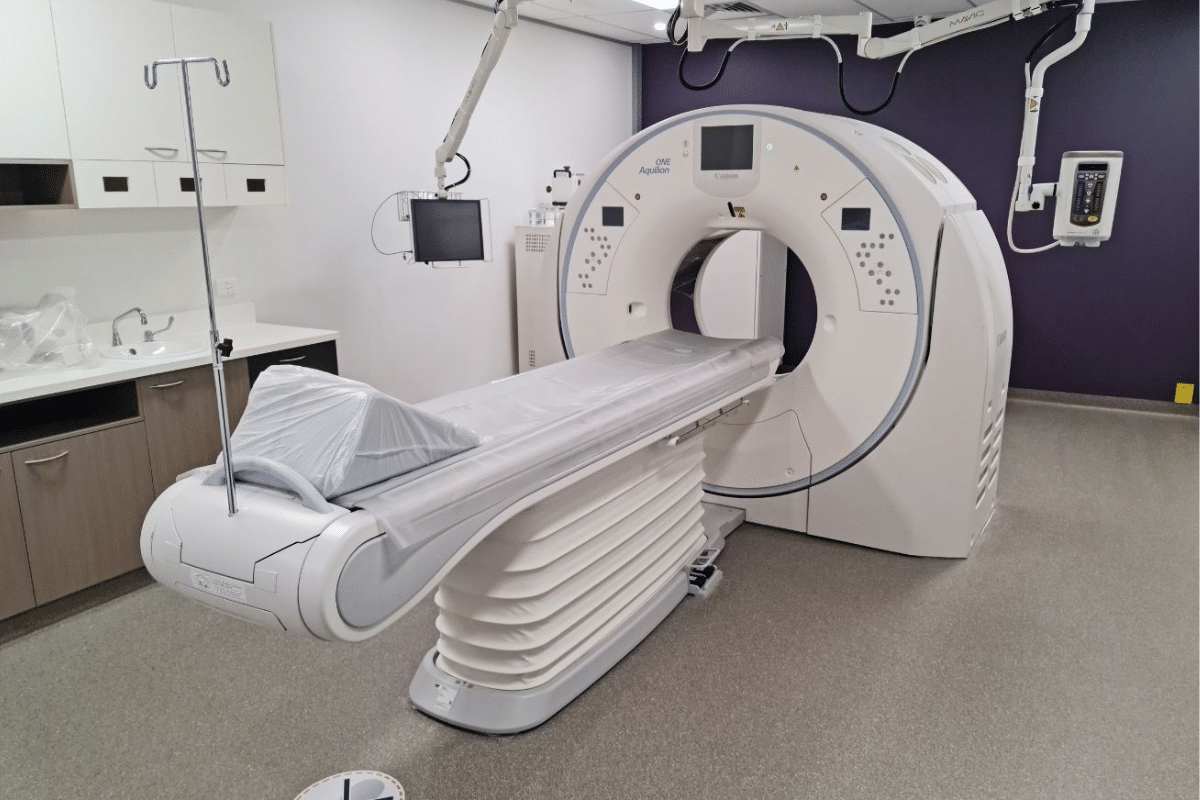
In recent months, the implementation of AI-driven hospital diagnostic systems has transformed how quickly things move through the lab. To illustrate this, when you receive a CT scan and then enjoy a cup of Milo in the cafeteria, it is possible for you to find that your scan results are already under review. This has been made possible by the installation of AI hospital diagnostic systems, which can conduct much of the work behind the scenes that was previously completed by employees.
AI’s functionality is similar to that of your smartphone’s autocorrect function, yet AI can help with more serious issues than autocorrect. Due to fatigue from reading high volumes of X-ray films, many radiologists become fatigued once they reach 50 X-ray films in one day. This can even result in decreased eyesight and image interpretation accuracy. It is here that AI Medical Imaging systems become instrumental in eliminating fatigue. Unlike radiologists, AI Medical Imaging systems never get fatigued! Additionally, AI Medical Imaging systems can process images rapidly and provide immediate alerts of images that may be flagged as abnormal for the radiologist to examine. AI in Medical Imaging is less about the computer providing the final decision. But more to ensure that no significant medical condition goes undetected due to working a 10-hour work shift.
Why Asia is the perfect playground for AI hospital diagnostic systems
Asia has its own unique identity. We have some of the most advanced medical facilities in the world and a very large population of people to see every day. Therefore, we tend to have a high patient-to-doctor ratio especially in public sector hospitals (i.e. Malaysia). With that being said, AI-based Clinical Diagnosis Tools are proving to be game changers for us. Patients usually spend only a few minutes with their physicians when they visit busy clinics and AI Diagnostic Platforms can help with this by pre-sorting information about the patient given their historical data, current complaints and recent laboratory results prior to their arrival to see the physician. This way when they arrive, their (AI) has already done its homework and the Physician can focus on providing care for their patient.
The Core Insight
Key TakeawayData Diversity in Asian Healthcare
One of the biggest hurdles for **AI hospital diagnostic systems** was the “Western bias” in medical data. Today, local institutions like National University Health System (NUHS) in Singapore are training AI on local Asian phenotypes, ensuring more accurate results for our specific demographics.
Behind the scenes of AI hospital diagnostic systems
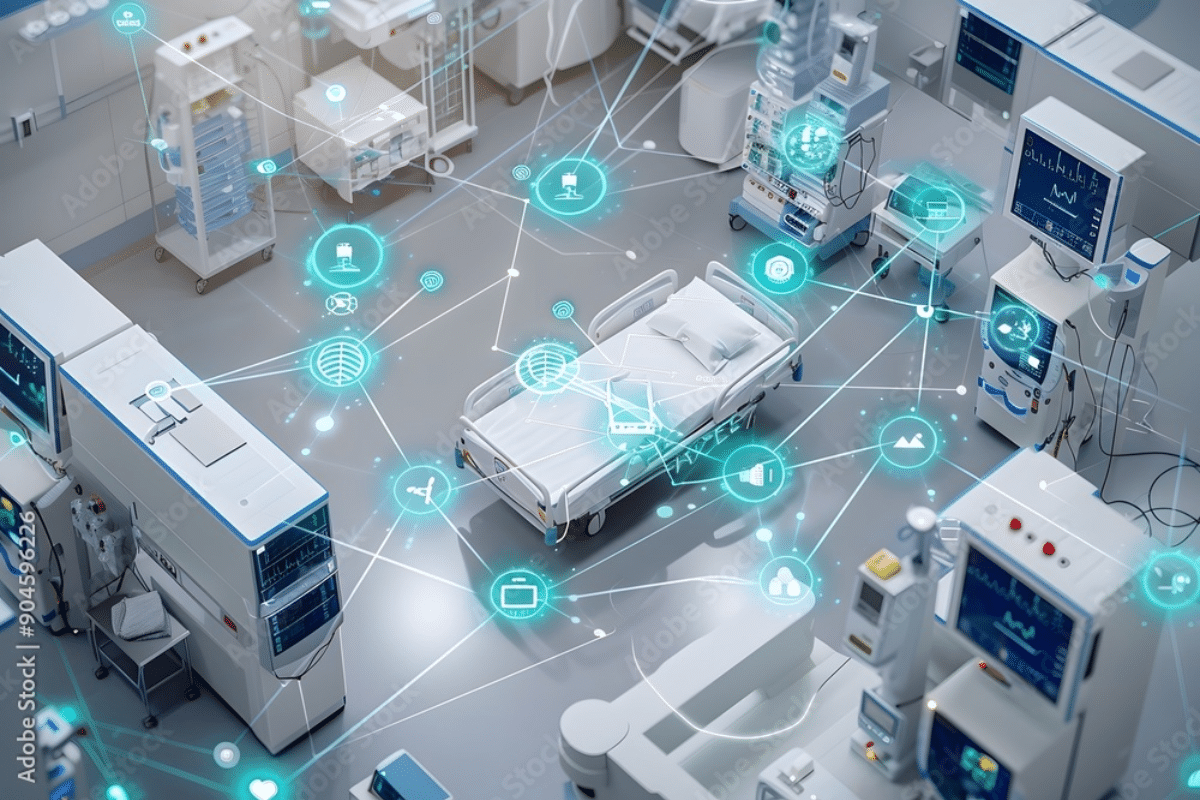
While lots of people think AI is just a cool robot arm or voice-activated computer, real AI magic lies within healthcare infrastructure. For example, when you have your blood drawn, the report will usually go to an off-site lab. However, in a “Smart Hospital,” the automation-based AI healthcare systems can tell when a lab result is critical and alert your nurse’s tablet in real time.
Related News



Previously, that lab report may have had to sit in a nurse’s tray for hours until the doctor makes rounds to get it. Today’s digital transformation within the hospital system allows for timely and accurate delivery of information to those people who need it, at the precise moment they need it. So rather than replacing doctors, it will remove those long “waiting” periods. The cause of much anxiety for families — that we all have experienced when sitting in the waiting room for three hours for a two-minute update from our doctors. AI will be utilized to shorten this gap as well.
Making the invisible visible with AI radiology systems
AI is certainly demonstrating its capabilities in the X-ray and MRI rooms where AI-Radiology systems are very sophisticated. Use lung cancer and TB lung screenings. In various parts of Southeast Asia, there remains a significant risk of TB. The most critical means of avoiding death from TB is through early detection. The size of the early signs of TB lungs on an X-ray are small and can be tough to find – literally just a small tip appears as a light smudge.


Using AI-assisted diagnosis Health Care Tools allows the computer to compare that single X-ray against literal millions of others in its database within seconds. The AI will box the “suspicious” area and say to the radiologist, “Error, error, a speck, check me”. This collaborative process of finding the needle (AI) and deciding what to do with the needle is why the use of smart hospital. AI technology is becoming a gold standard of performance for patient safety – 24 hours a day, 7 days a week – getting a second opinion without the additional fee for consultation. A new era of patient care is upon all of us.
Safety, privacy, and the future of AI patient diagnosis systems

A popular question people have is “Is my data safe?” and “What if the AI gets it wrong?” This is understandable. However, there are actually more layers of security in place within AI-based patient diagnostic systems than with typical banking apps. In Singapore and Malaysia, there are multiple government regulations (i.e. PDPA) that businesses and medical facilities must comply with when dealing with medical data using AI-based hospital products.
Moreover, “AI doesn’t make the decision.” Reputable hospitals use the AI tools they have as a “Decision Support System”. The doctor is the one who signs the document. The AI is only providing recommendations based on statistical data. In the future, there will be continued integration of AI-based hospital diagnostics in order to individually personalize your medications. Instead of the “one size fits all” approach to medication dosage, the AI will allow doctors to determine an individual’s specific dosage based on an individual’s unique metabolism. This is not years away. It is here right now in our communities. The goal is to provide accurate, stress-free, and ultimately humanized care.
Common questions about AI in our hospitals
AI Diagnostics FAQHelping you understand how these new technologies impact your next check-up.