

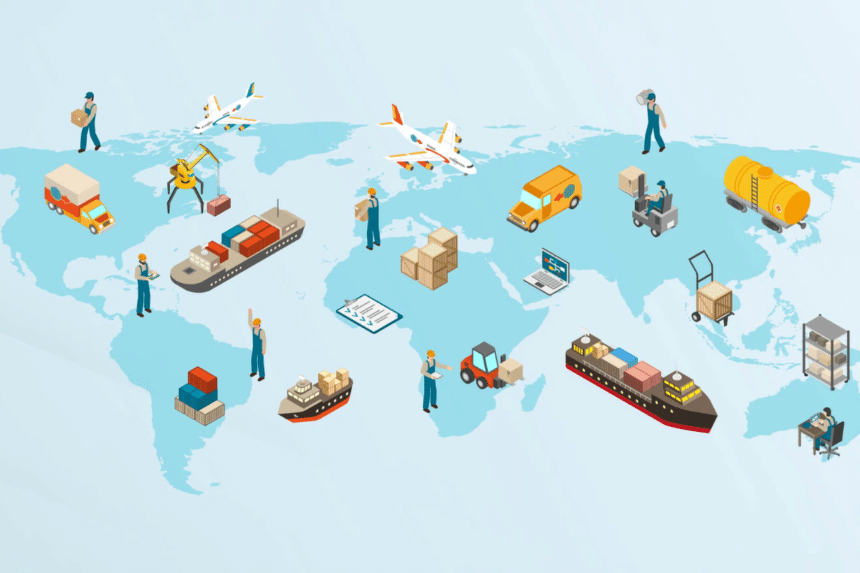
Why Artificial Intelligence Supply Chains are the Secret Behind Why Your Parcels Actually Arrive on Time Now
The “Out of Stock” Mystery We’ve All Experienced

Have you ever been “that” person who wanted to buy something, then when you click it is already “out of stock”? Or worse, you have ordered and after 3 days of waiting for your order to arrive. The seller sends you a message saying, “sorry, no stock available please cancel order.”
In the trading world, this is called a supply chain gap. For years, Malaysian and other Asian businesses used “gut feeling” and simple Excel spreadsheets to determine how much product they should purchase. With events such as Hari Raya and 11.11 fast approaching, they would just purchase more stock than they needed and hope for the best! Sometimes they would purchase too much and be left with lots of dusty empty boxes sitting in their warehouses. Sometimes they would purchase too little and lose customers.
Things are changing. Many people are talking about AI-powered supply chains, and while it seems to be a “cool”, “space-age” idea, in reality AI helps make sure that the air fryer you order actually has to be in the warehouse when it is needed. Why is this important? Because AI gives businesses a more organized way of running than it does to put out fires daily.
Why Artificial Intelligence Supply Chains are Like Having a Psychic Planner
To understand how important predictive analytics and logistics AI are in supply chain management, consider how disorganized the world of shipping can be. When a ship is stuck in the Suez Canal or there is a flood at a distribution center, it usually takes 100 phone calls from a human to find a back-up plan. Unlike traditional supply chains that only take action when there is a crisis, supply chains utilizing predictive analytics and logistics AI analyze weather patterns, traffic patterns and social media pattern. And use those analyses to make proactive decisions. For example, if a storm is forecasted for a major shipping port, the system can reroute the shipment before it departs from the port.
Related News



In addition to predicting delivery issues, the supply chain also predicts consumer demand before consumers know they need the product. AI uses demand forecasting to accomplish this. Rather than just looking at last year’s sales, the AI predicts current demand by monitoring monthly data and searching activity. If 1,000 people search for a certain coffee bean in Kuala Lumpur, the system notifies the warehouse to increase stock levels before demand rises. It’s not magic, but AI analyzes massive amounts of data beyond human capacity.
The Core Insight
Key TakeawayData is the New Compass
The real power of AI demand forecasting supply chain isn’t just counting stock—it’s connecting dots between global events and local shopping carts to prevent the “out of stock” nightmare.
Inside the Warehouse Robots, Not Sci-Fi Movies
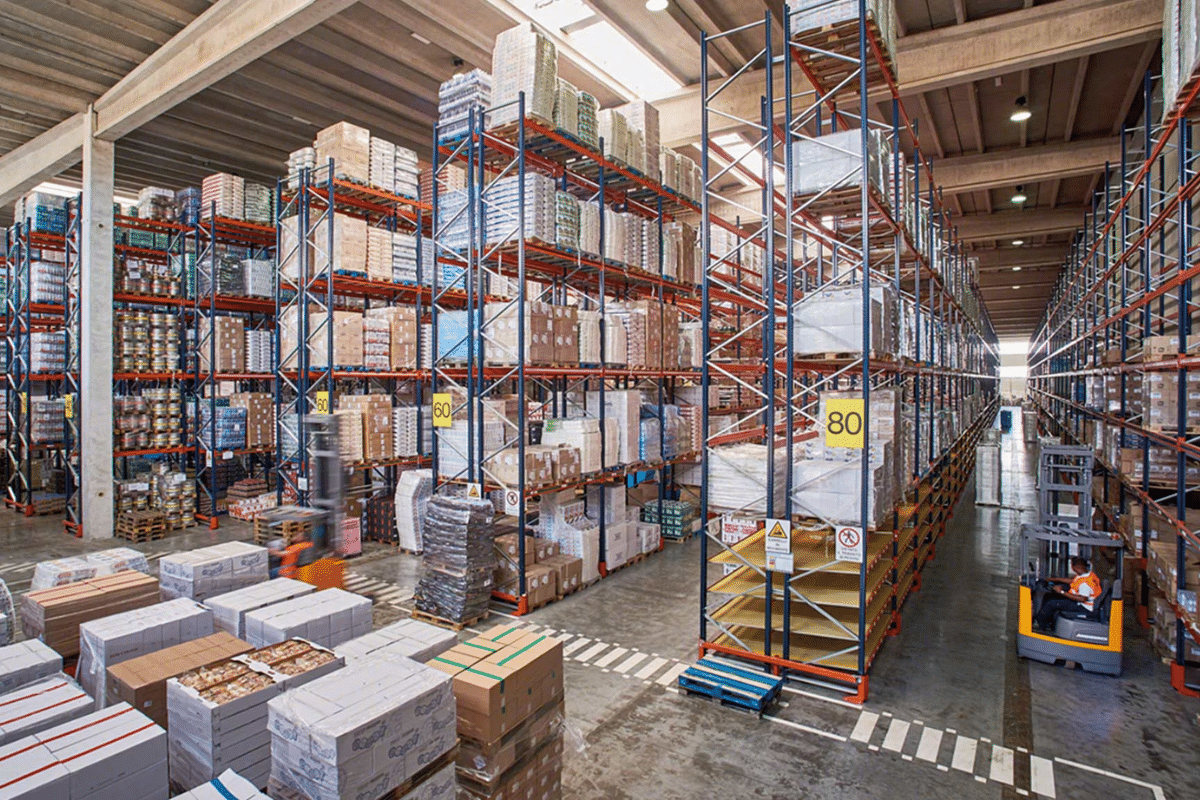
People often picture robots moving in an automated warehouse when imagining an AI warehouse. However, this looks more practical than what people expect. When you walk through a modern fulfillment center today, you will find puck-shaped robots scurrying about. The robots don’t just move the boxes. They are monitored by an optimization system that uses machine learning. The system recognizes the frequency of which certain items are sold together. By coming closer together, the robots are able to fulfill the order faster (saving seconds). However, when you have 50,000 orders every day, these seconds begin to add up. This is why, sometimes, your “Standard Delivery” arrives on the following day.


Sorting has also changed. Older forms of fulfillment relied on people reading labels. Current fulfillment centers utilize AI inventory management systems that use camera technology to read and see thousands of labels per minute. The cameras are also capable of identifying damage to the box before it is sent to the customer’s home.
Making the “Last Mile” Less of a Headache
Last-mile deliveries have long been one of the biggest headaches for shoppers. The delay can happen for a number of reasons, such as carrying an inefficient route or getting stuck in traffic. For example: tracking your order shows up as “out for delivery” at 9 am, but it doesn’t arrive until 7 pm because the delivery person got stuck in a pasar malam (night market) traffic jam. Smart logistics companies use predictive analytics AI in logistics to solve these problems by determining which route will be most fuel-efficient and fastest instead of allowing drivers to decide which house they’ll go to first.
AI also allows drivers to assess which areas of their delivery area are likely to get more deliveries. Which allow them to pre-stage items in smaller mobile hubs near those neighbourhoods. This is an example of how the digital transformation of the overall supply chain through AI is doing more than creating trendy apps. To boost the effectiveness of the drivers and keep our shipping costs low by eliminating wasted gas.
Why Small Businesses in Asia Need to Care
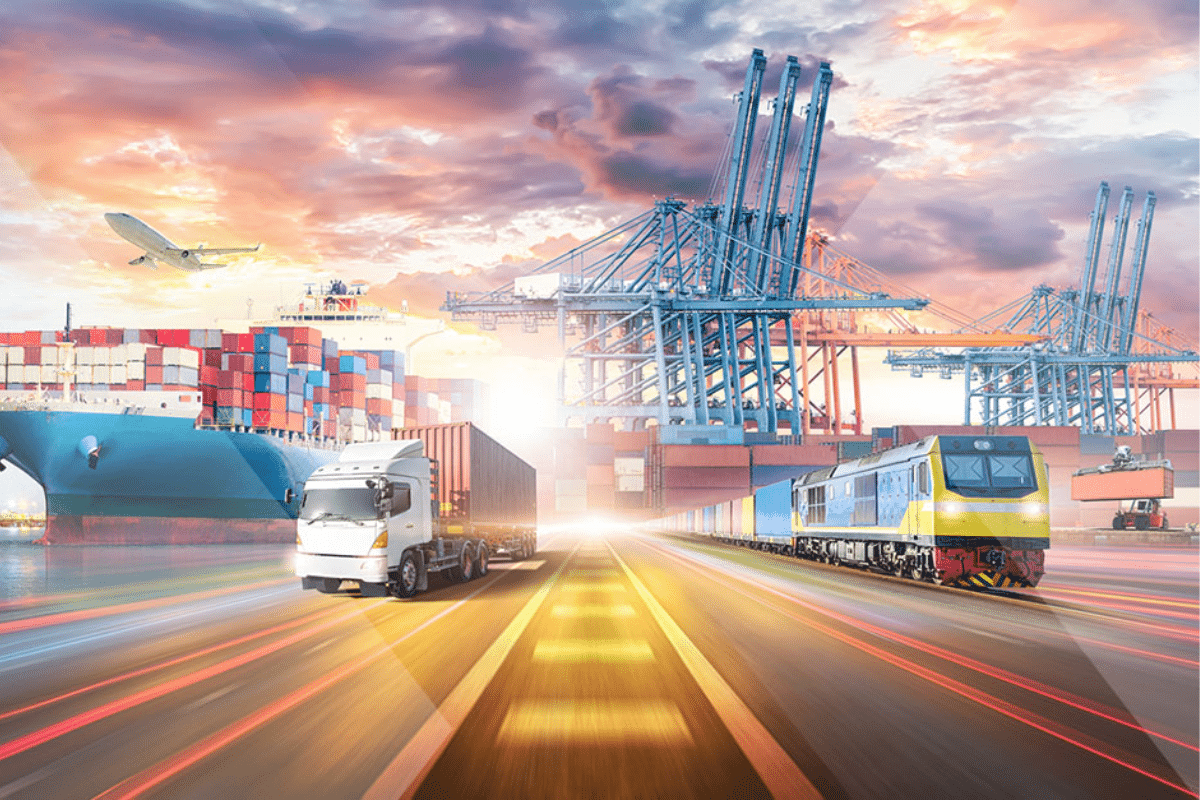
You may think that only large companies such as Amazon and Alibaba have access to AI. However, this is a fallacy. Even SMEs (small and medium enterprises) in Malaysia can now have access to AI-based supply chain analytics through cloud computing. As a business owner, you experience the frustration of dealing with AI in global logistics networks. Like the price of a shipping container fluctuating from $2,000 to $8,000 overnight. With smart technology, you can be alerted to these price variations sooner to allow you to secure the best rates. Other than that, you can find an alternative supplier before the price rises.


AI used to improve supply chain efficiency doesn’t take over human jobs. It allows employees to eliminate portions of their job that are “boring” or “stressful”. Such as counting 10,000 screws, or trying to guess whether or not it’s going to rain tomorrow and have the computer perform those tasks instead. This allows business owners to focus their time and energy on the more rewarding aspects of their jobs. Such as designing products for customers or interacting with customers. I believe in the future, the phrase “artificial intelligence supply chain” will cease to be a “technology term” and simply become “the way things are done,” similar to when we stopped saying “e-mail” and began calling it “mail.” AI has quickly become the invisible foundation of everything we purchase.
Common Curiosities about AI and Logistics
Supply Chain FAQBreaking down the tech that moves your world, one question at a time.

