

Why are Tech-Savvy Youth in India and Southeast Asia Moving Away from Manual Trading?
If you walk into a trendy co-working space in Bangalore or a specialty coffee shop in Jakarta lately, you might overhear something a bit different from the usual “buy low, sell high” talk. The conversation has shifted. It’s no longer just about which coin is going to the moon or which stock is the next big thing. Instead, you hear phrases like “execution logic,” “latency,” and BidaTech AI Quantitative Trading.
- Why is “Engineering Alpha” becoming the new favorite phrase in the region?
- Can a market-neutral strategy actually survive a crypto winter?
- How do we balance the AI trading risk with the need for growth?
- Why are the youth in India and Southeast Asia leading this tech adoption?
- Is the future of trading really just going to be “Bot vs. Bot”?
For a long time, trading felt like a high-stakes game of staring at candles until your eyes got blurry. You’d wait for a “signal,” pray your internet didn’t lag, and hope your emotions didn’t get the better of you. But for the new generation—especially those who grew up around code and automation—that manual way of doing things feels, well, a bit “dinosaur.” They are looking for something more calculated.
This isn’t just a random trend. Across the Southeast Asia & India regions, there is a massive surge in interest regarding how algorithmic trading can take the “human messiness” out of the equation. People are tired of losing sleep over market swings; they want a system that stays awake for them.
The Core Insight
Key TakeawayLogic Beats Emotion Every Single Time
The shift toward AI quantitative investment in Asia isn’t about finding a “magic button”—it’s about replacing human fatigue and fear with data-driven trading that executes based on cold, hard math 24/7. [cite: 130, 131]
Why is “Engineering Alpha” becoming the new favorite phrase in the region?
If you ask an engineer to fix a leaky pipe, they don’t just put a bucket under it and hope it stops raining. They look at the pressure, the joints, and the material. That is exactly how the founders of BidaTech AI look at the market.
Related News


The company was built on the foundation of technical expertise, led by Mr. Biden (必达恩), a founder with over a decade of experience in system development. Before this platform became a household name in tech circles, the team spent years behind the scenes, building high-performance systems for global heavyweights like cTrader, MetaQuotes, and even household financial names like Charles Schwab.
When you spend that much time building the “engine” for others, you eventually figure out how to build a better one for yourself. Their core philosophy is “Engineering Alpha”—which is just a fancy way of saying “we don’t guess, we build a system that finds the advantage systematically”. This is why young people in India—the tech capital of the world—were the first to really “get” it. They respect the code. They know that a well-written AI investment model is much more reliable than a “gut feeling” from a stranger on Telegram.


Can a market-neutral strategy actually survive a crypto winter?
This is the big question everyone asks during a family BBQ or a Mamak session. “Bro, what if the market crashes?”
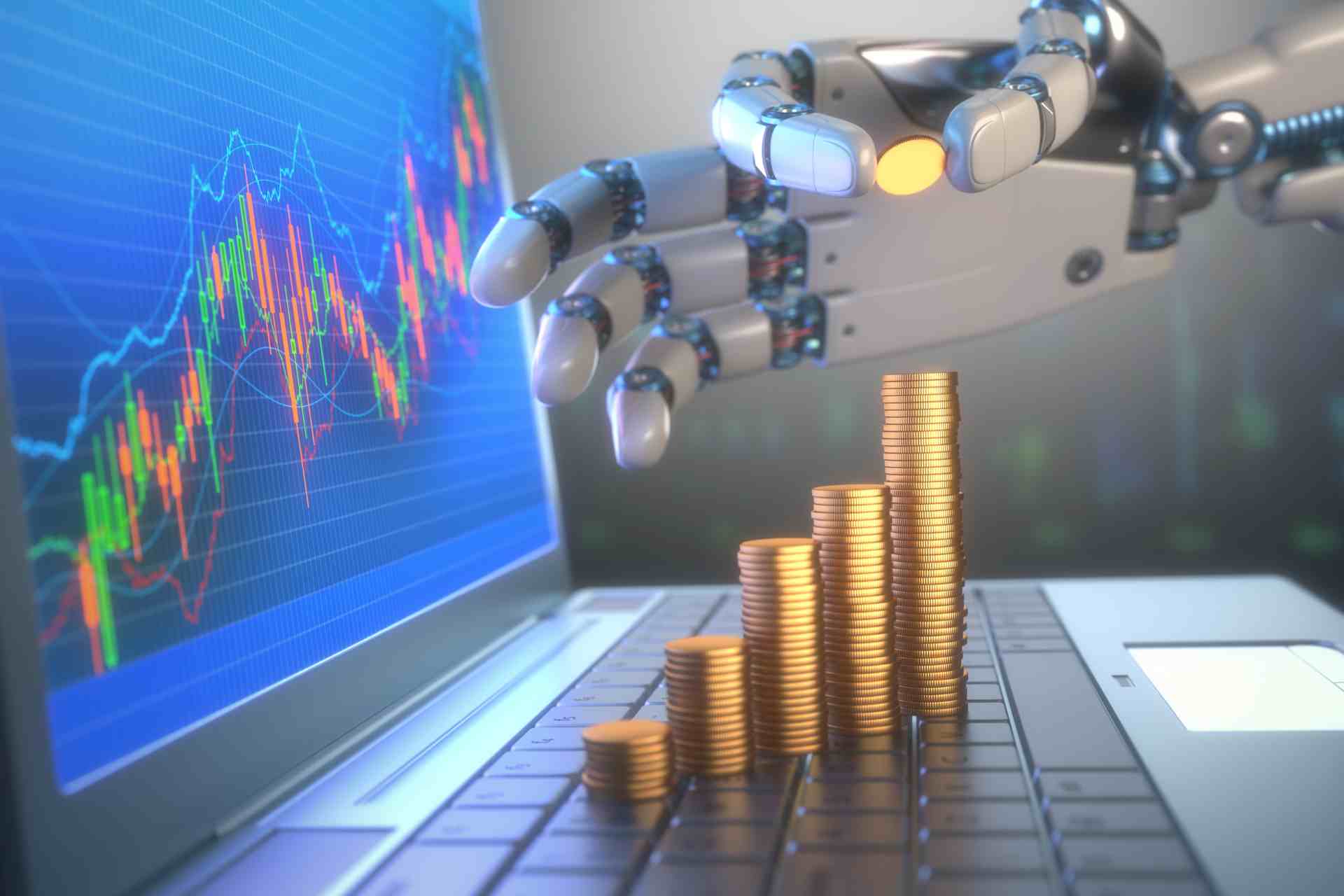
Most people are used to “Directional Trading.” You buy Bitcoin, you wait for it to go up. If it goes down, you cry. But the smart money—and the tech being used by BidaTech AI—often leans toward a market-neutral strategy.
Think of it like this: Imagine there are two supermarkets in your neighborhood. Supermarket A sells apples for $1.00, but Supermarket B sells them for $1.05 because they are in a different part of town. If you can buy from A and sell to B instantly, you made $0.05. It doesn’t matter if the price of apples is going up or down globally tomorrow; you made your profit on the difference.
This is what an AI auto-trading system does across hundreds of exchanges simultaneously. It looks for these tiny price gaps that only a computer can see and act on in milliseconds. This focus on automatic trading stability is what makes it so attractive in volatile markets. You aren’t betting on the “Moon”—you’re betting on the math of the gap.


How do we balance the AI trading risk with the need for growth?
Let’s be real for a second. If anyone tells you there is “zero risk” in any kind of trading, they are selling you a fairy tale. Even the most sophisticated algorithmic trading setup has to deal with AI trading risk. Things like “slippage” (when the price changes before your order finishes) or exchange connectivity issues are real things.
The difference with an “Engineering First” approach is that they don’t hide from these risks; they build “safety belts” into the code. An AI investment model isn’t just a “buy” bot; it’s a “risk management” bot. It monitors the depth of the market, the cost of the trade (fees), and the speed of execution.
In Southeast Asia and India, the most successful users are the ones who treat this like a tool, not a lottery ticket. They look at the AI trading performance analysis and understand that the goal is consistent, long-term results rather than a “one-hit wonder”. It’s about data-driven trading that understands its limits.
Why are the youth in India and Southeast Asia leading this tech adoption?
It’s actually quite simple: accessibility. In the past, this kind of AI quantitative trading tech was locked behind the doors of big banks in New York or London. You needed a PhD and a $10 million account just to get a seat at the table.
But today, the decentralized nature of the markets—and the rise of global platforms like BidaTech AI—has “democratized” this tech. In India, where there is a massive population of developers, people actually enjoy looking at the quantitative trading ROI charts and understanding the “Why” behind the “How”.
The Southeast Asian market is similar. Whether it’s in Vietnam, Thailand, or Indonesia, there is a hunger for automation trading strategies that allow people to participate in the global financial markets without having to be a full-time trader. People have jobs, they have families. They want their capital to work for them using the same AI investment model that the “big boys” use.
Is the future of trading really just going to be “Bot vs. Bot”?
We are already moving in that direction. The days of the “Wolf of Wall Street” shouting on a phone are mostly gone. Today, it’s about whose system is faster, smarter, and more disciplined.
The achievement of BidaTech AI isn’t just in the profit numbers; it’s in the fact that they have taken complex “Global Outsourcing” level tech and made it into a repeatable system for the market. By connecting with platforms like Kraken, KuCoin, and Saxo, they’ve created a route for the everyday tech-savvy person to tap into institutional-grade execution.
As we move forward, the conversation won’t be about whether AI belongs in trading, but about how we can better educate ourselves to use it. That’s why you see so much focus on community and “Academy” style learning in the region now. We aren’t just letting the machines run wild; we are learning to become the “Engineers” of our own financial future.
So, next time you hear someone talking about BidaTech AI Quantitative Trading at your local hangout, don’t just brush it off as another “crypto thing.” It’s actually a peek into how the next generation is rethinking the very foundation of how money and tech work together.
Official Website: https://linktr.ee/bidatech.ai
Is BidaTech AI Quantitative Trading right for me?
Trading FAQCommon questions from the tech community in Southeast Asia and India.

